
Manuel Antonio · Quepos · Costa Rica
4.9 · 3,000+ traveler reviews across leading travel platforms and our websiteTripadvisor · Viator · Airbnb · Google Maps · Wakoo Tours
Enter the rainforest with an ICT-licensed bilingual naturalist, a Swarovski spotting scope and the time to notice what others walk right past.
Duration
2 hours
Group
Private · only your party
Languages
English · Spanish
Park schedule
Closed Tuesdays
Included in every tour
Swarovski scope · free 4K photos
About this tour
Discover Costa Rica’s most famous national park with an ICT-licensed bilingual naturalist guide. Where the rainforest meets the Pacific, you’ll spot sloths, white-faced capuchin and squirrel monkeys, toucans, iguanas, coatis and more, all through our top-of-the-line Swarovski spotting scope, with free 4K photos and videos of your favorite animals.
Without a guide it’s easy to walk right past the camouflaged wildlife. Our guides know exactly where to look, turning a simple walk into an unforgettable wildlife experience that ends at one of the most beautiful beaches in Costa Rica.
16+
years in the field
4K
photos & videos included
ICT
certified guides
Tour options
Review the inclusions for this option, then check availability.
Private · Flexible
Your own private guide, just for your group—the same expert and scope, without the extras. Park ticket bought separately online.
Prices are per person. Park entrance is $18.50 per adult and $5.65 per child; tickets are not sold at the gate—for Classic options you must reserve and pay yours online before the tour. Parking is about $10 on the day. The park caps entry at 2,500 visitors per day, closes every Tuesday and requires a passport number for every guest. Book ahead to guarantee your spot.
READ REVIEWS FROM OUR PAST GUESTS
Reviews from Google and Tripadvisor.
What the forest may reveal
No wildlife sighting is staged or guaranteed—that is what makes a real encounter meaningful. Your guide reads the canopy, the calls and the quiet signals of the forest, and adapts the route to conditions, recent activity and your interests.
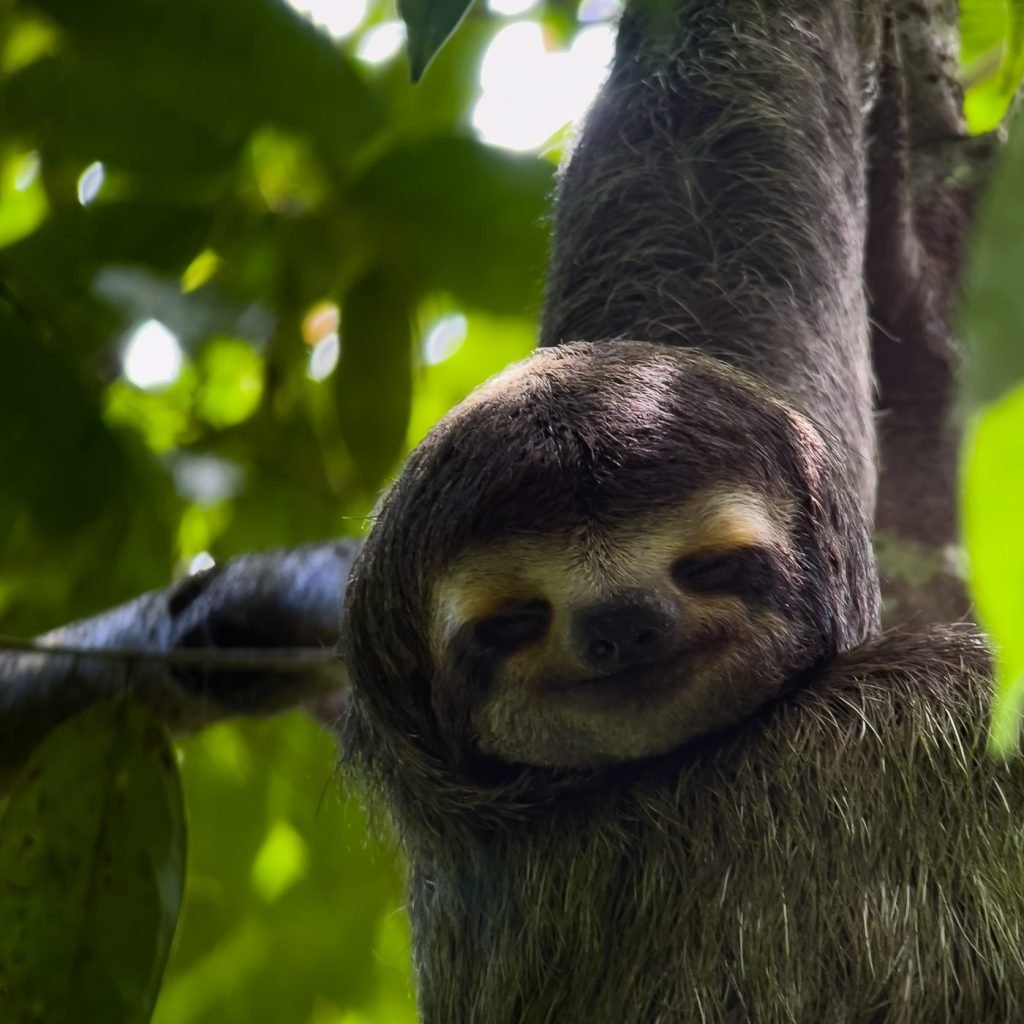
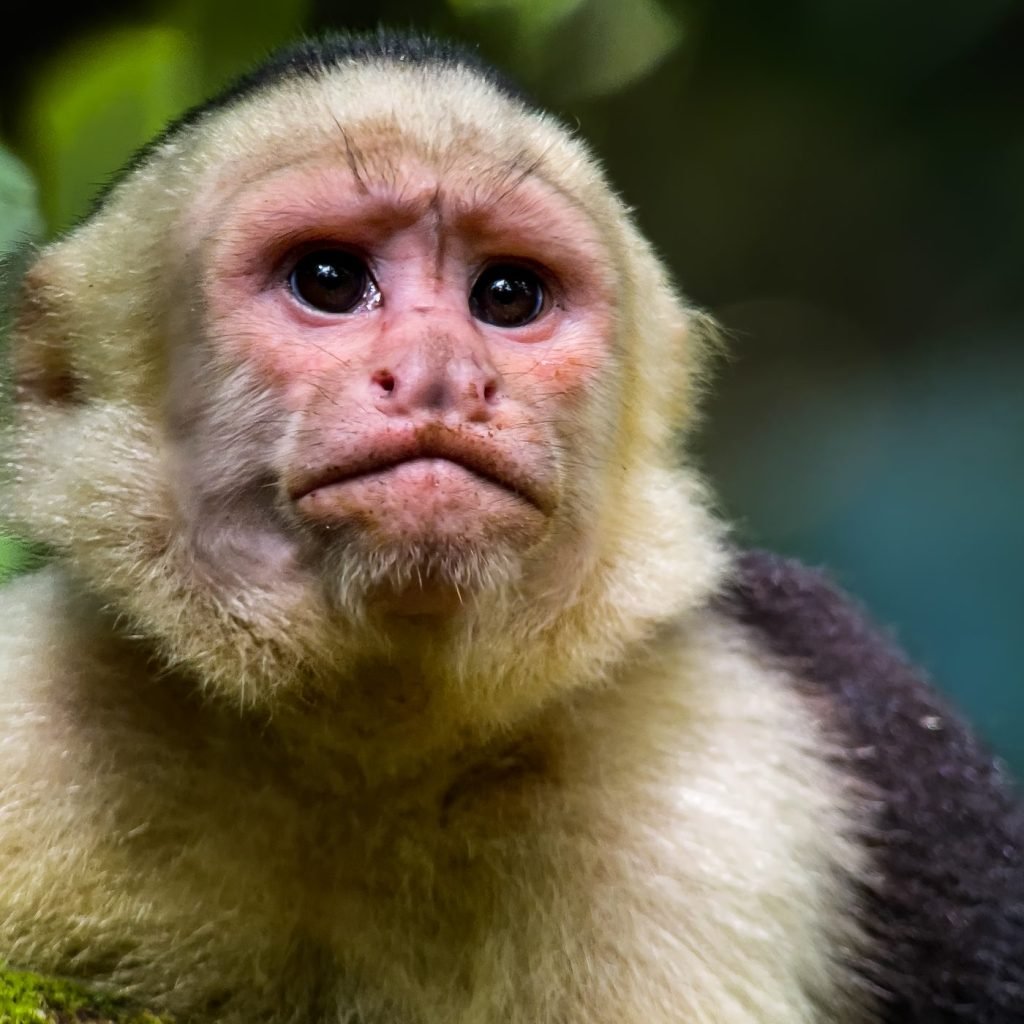
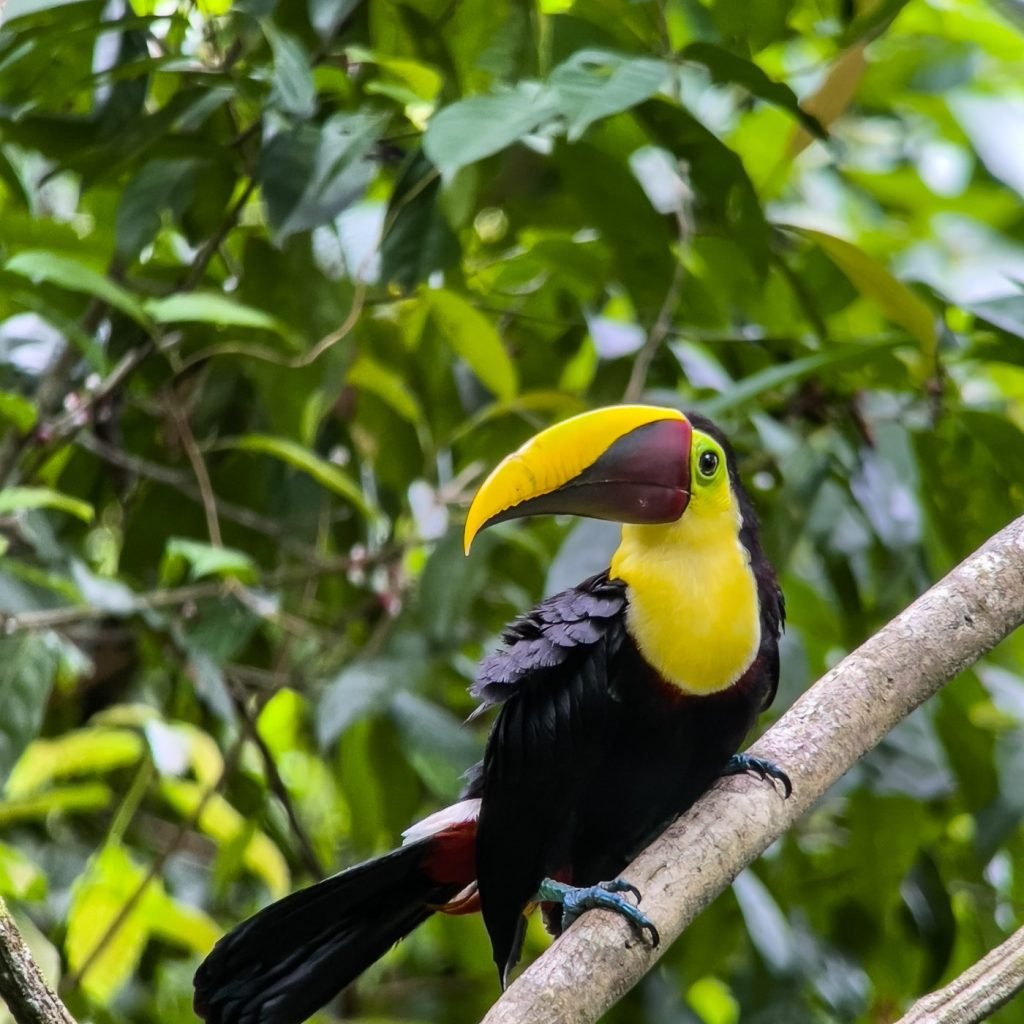
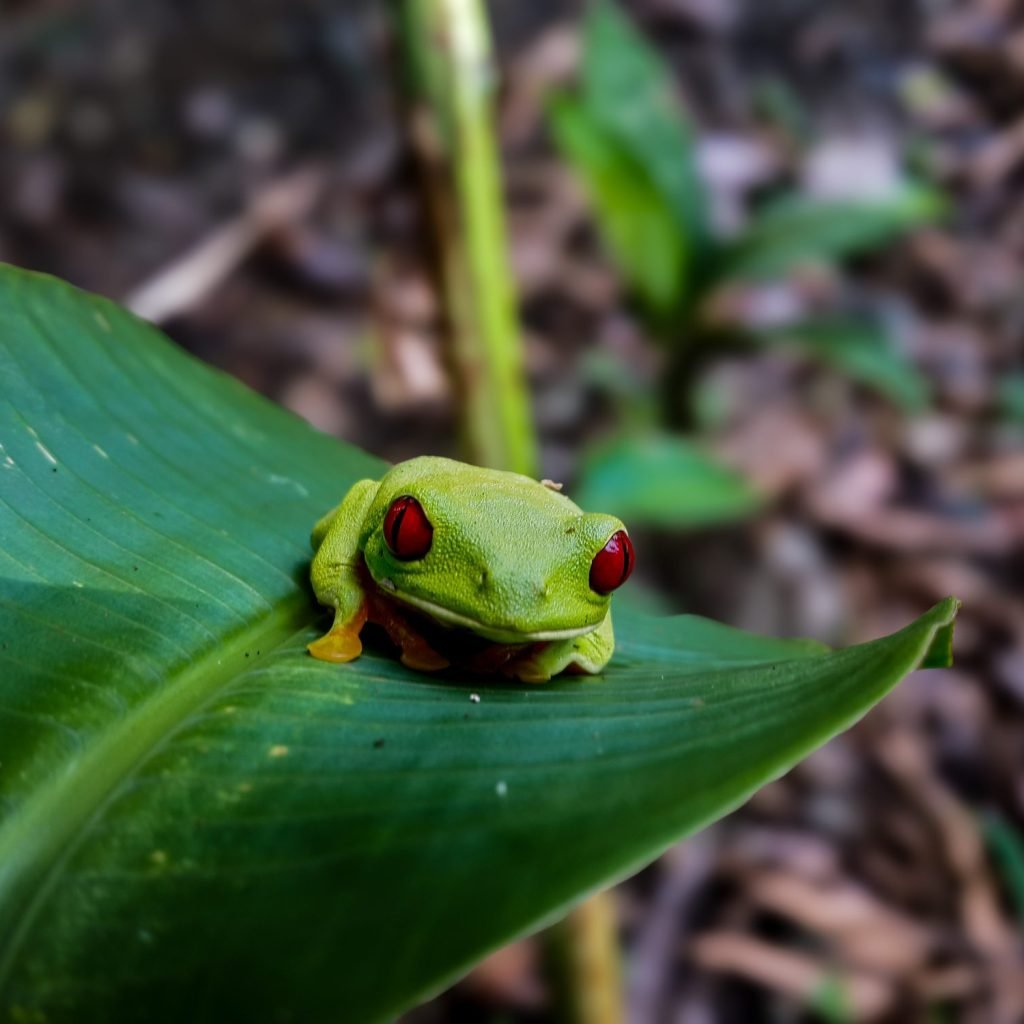
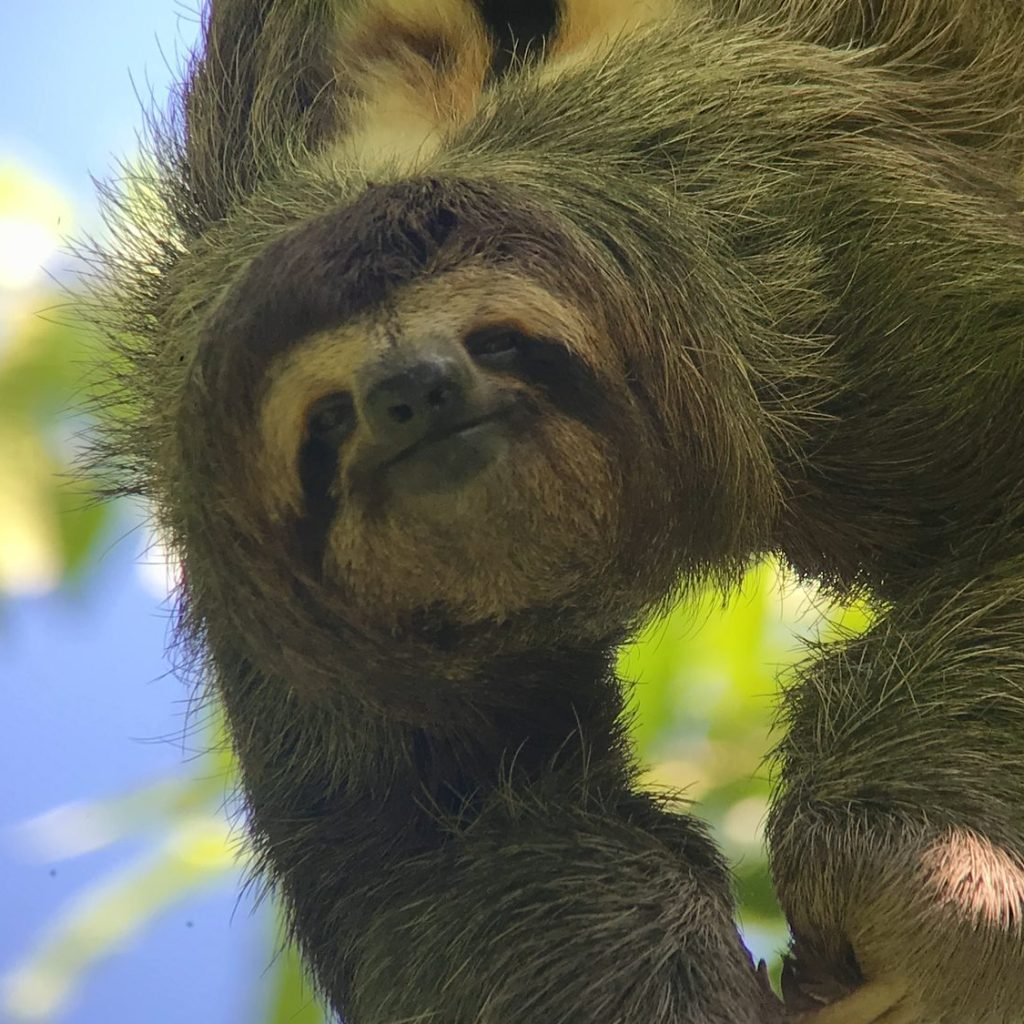
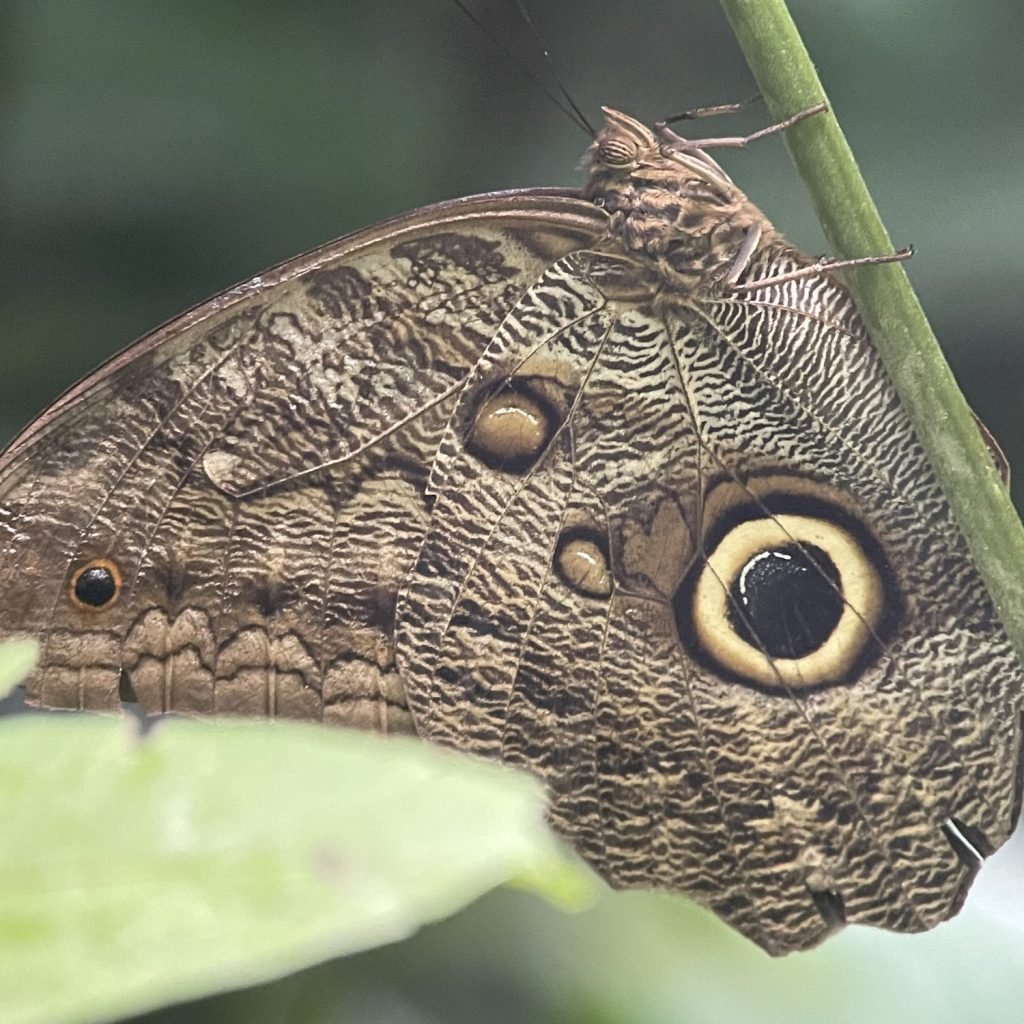
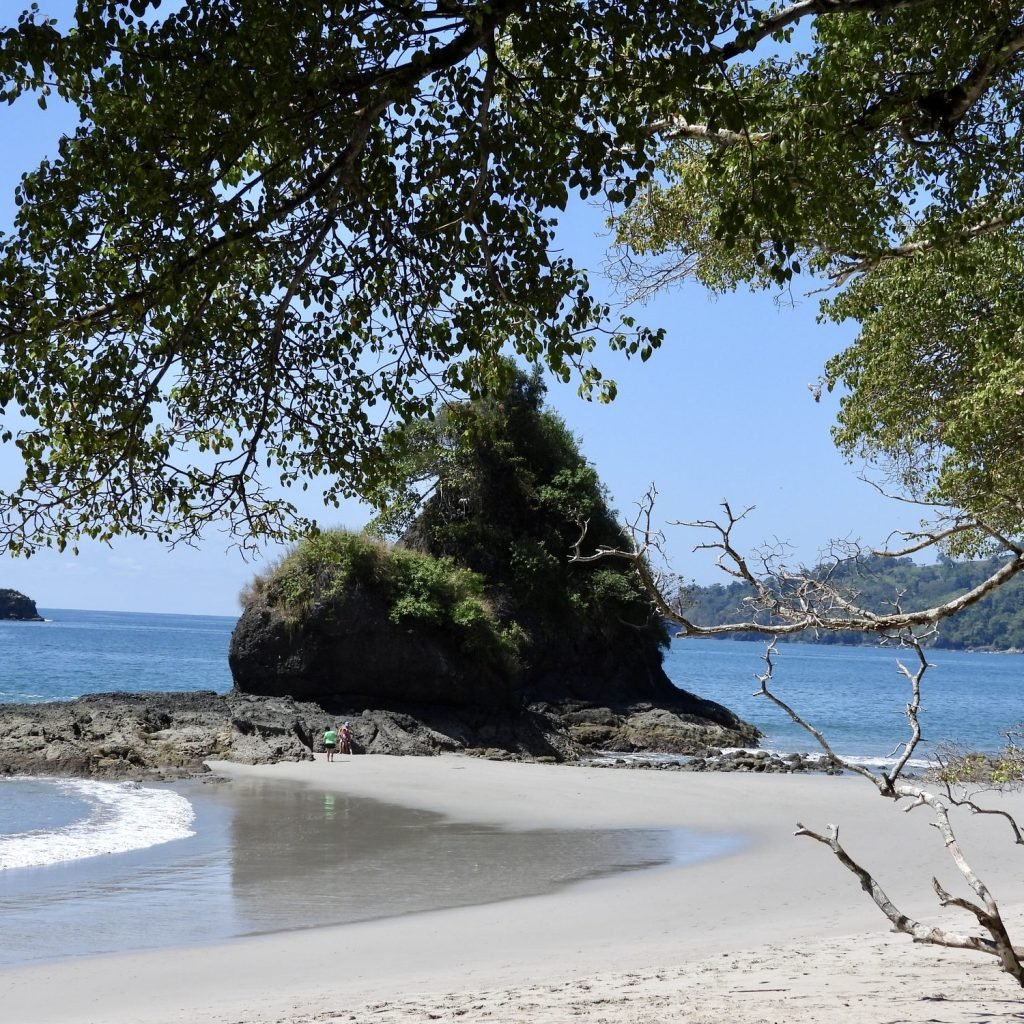
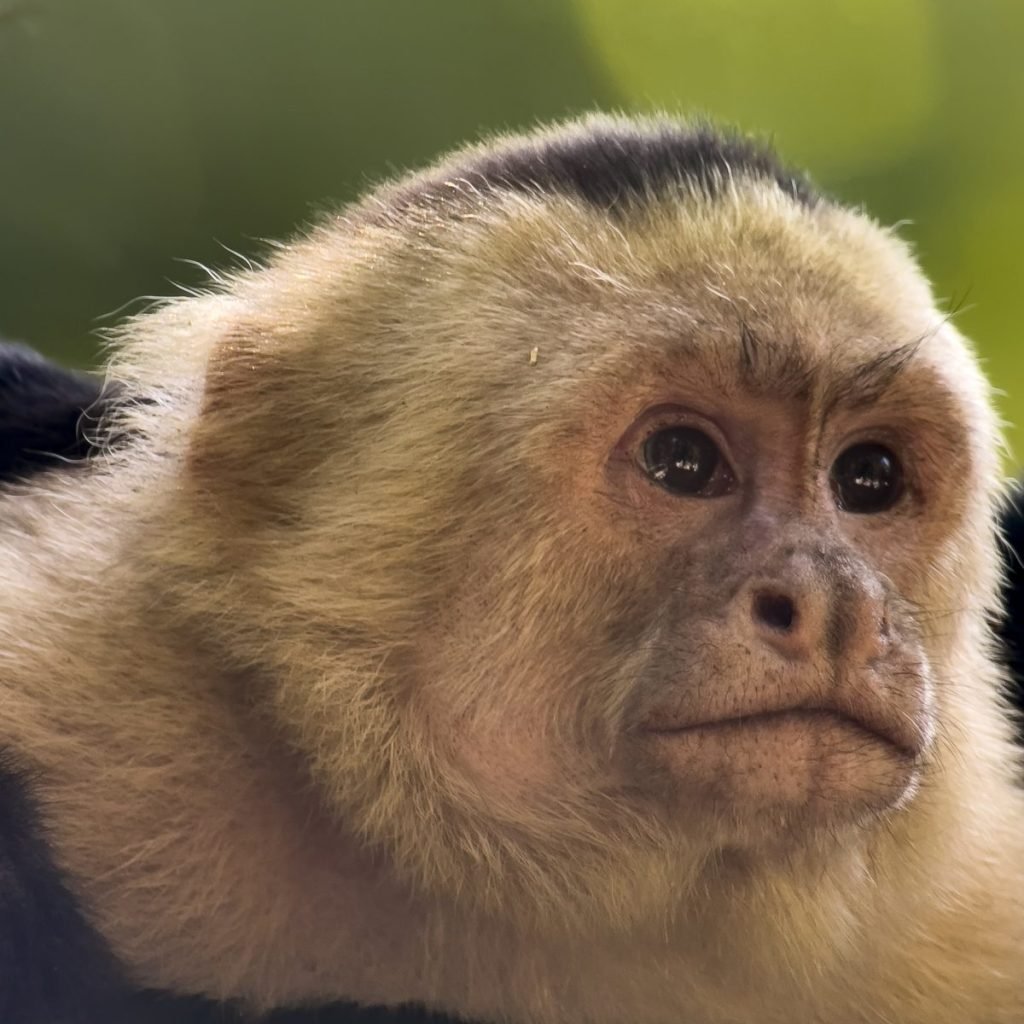
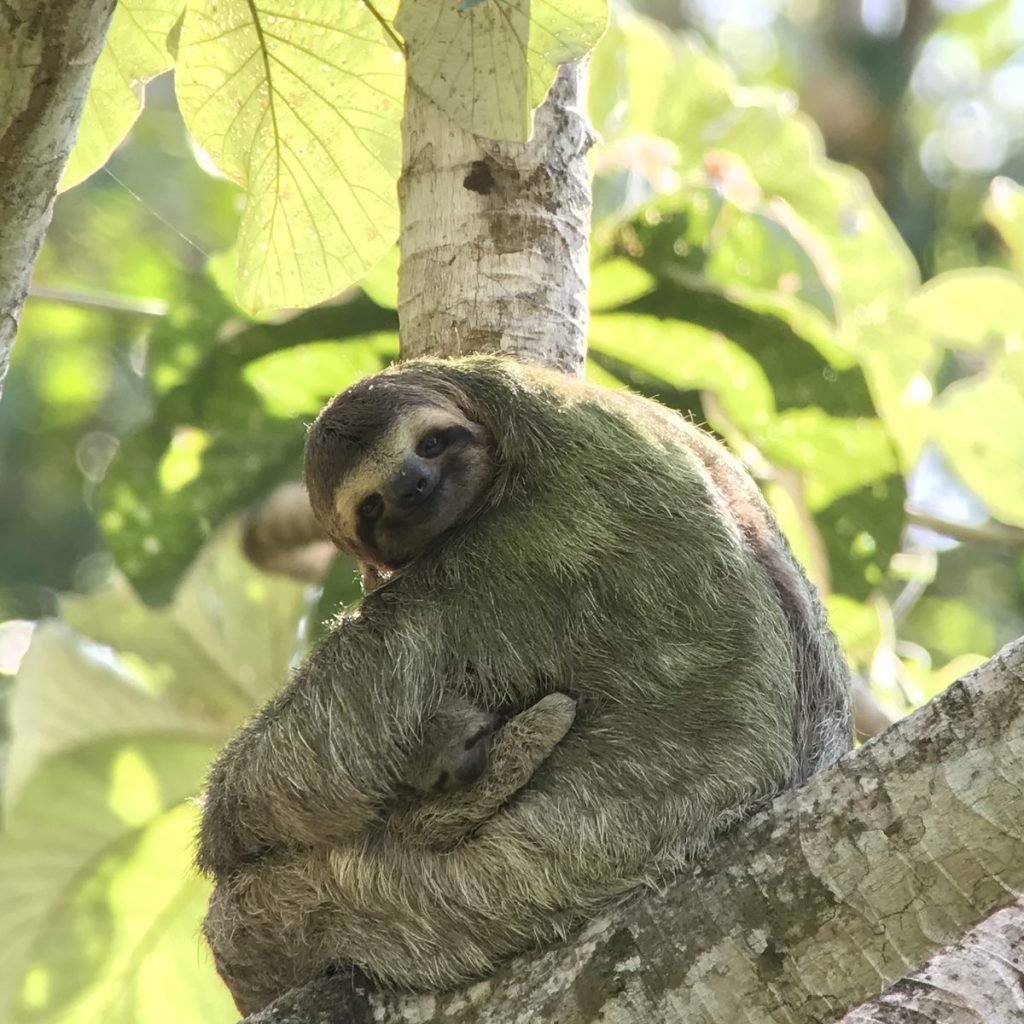


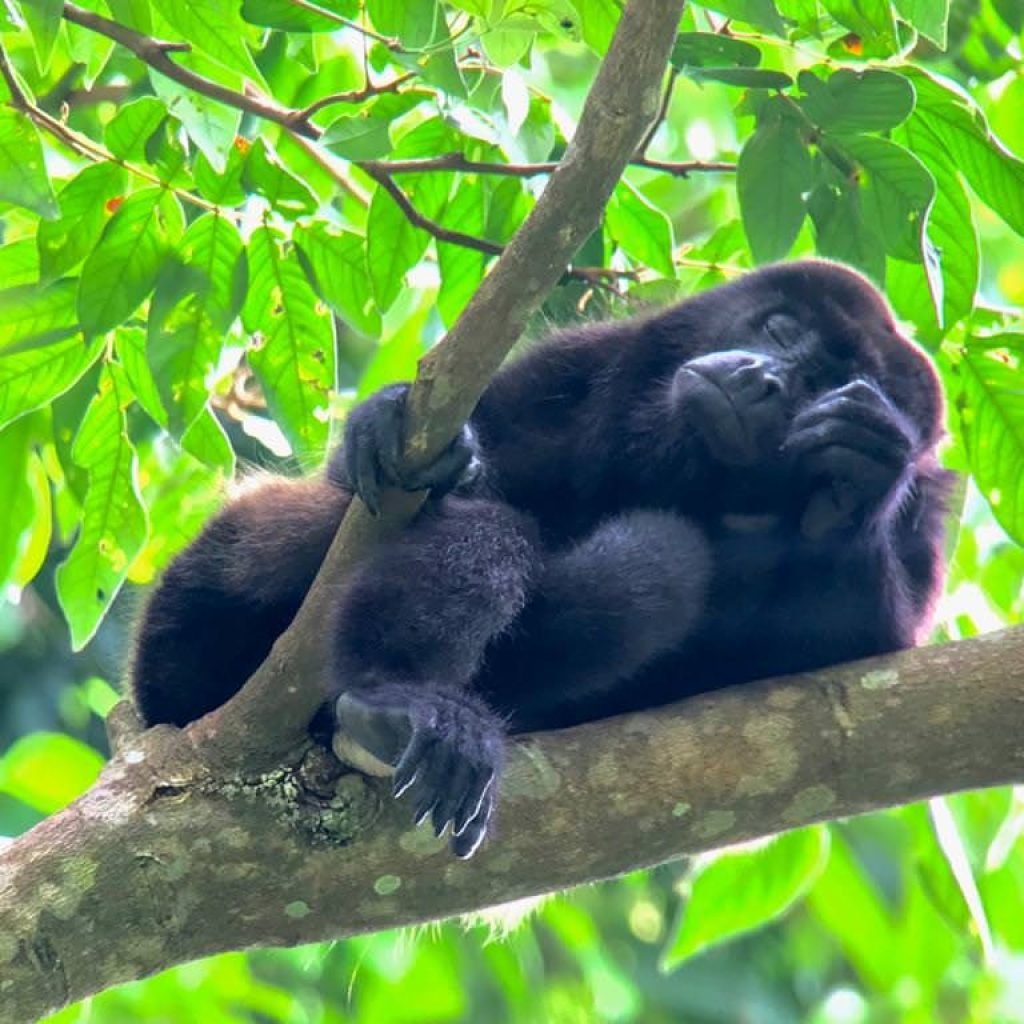
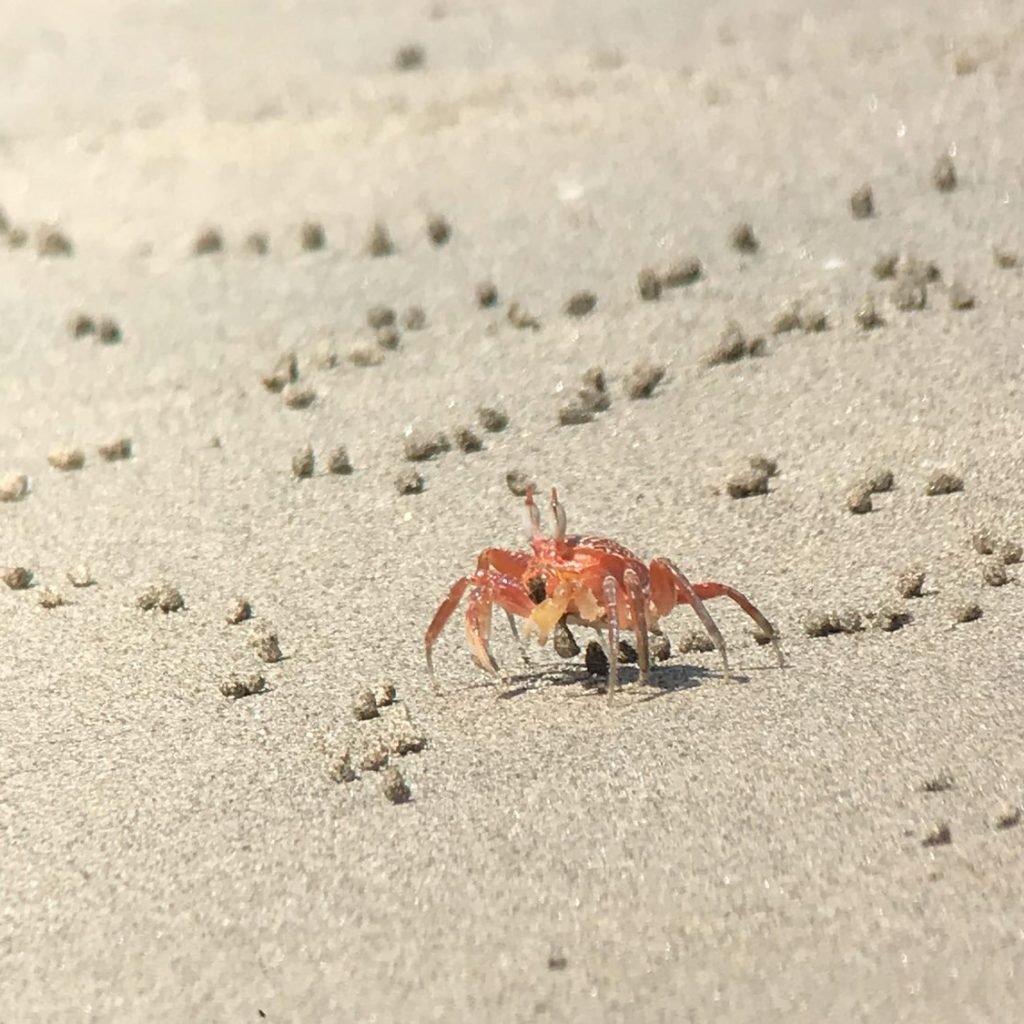
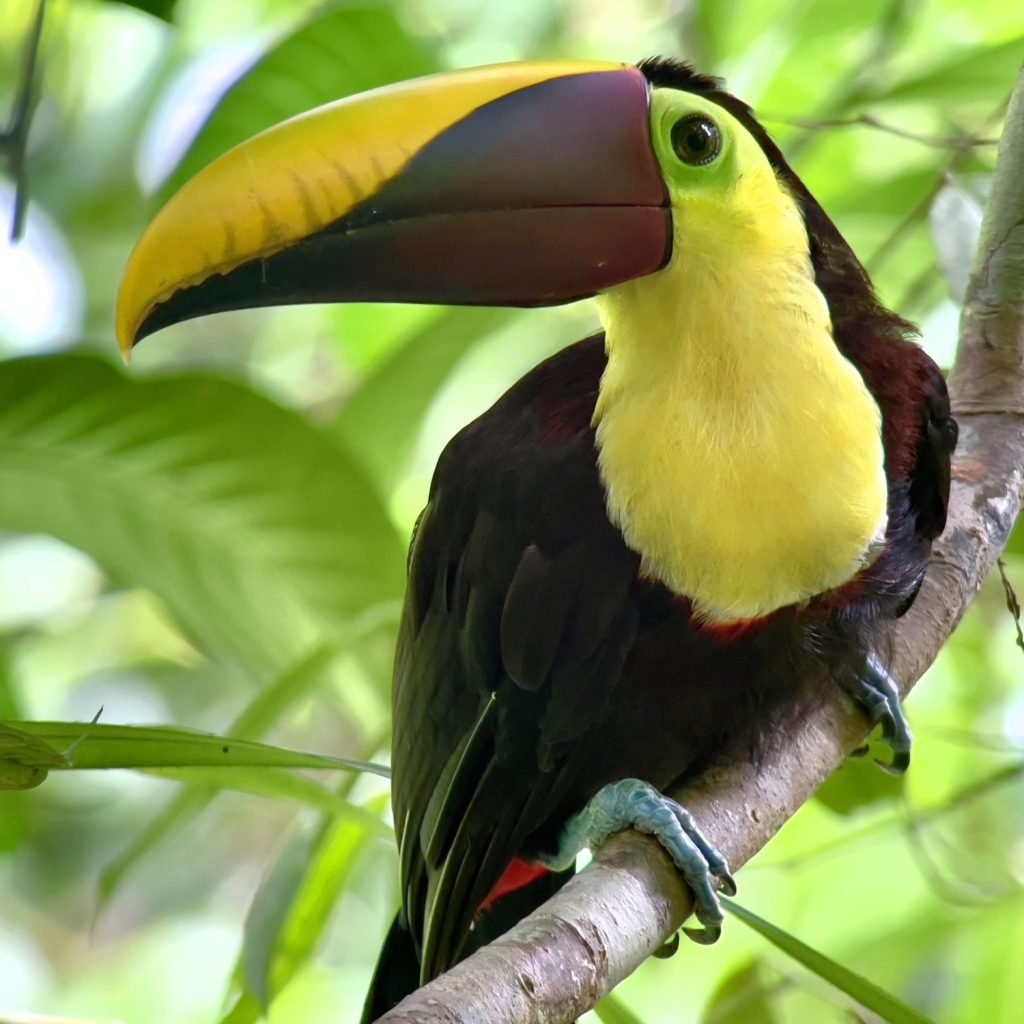


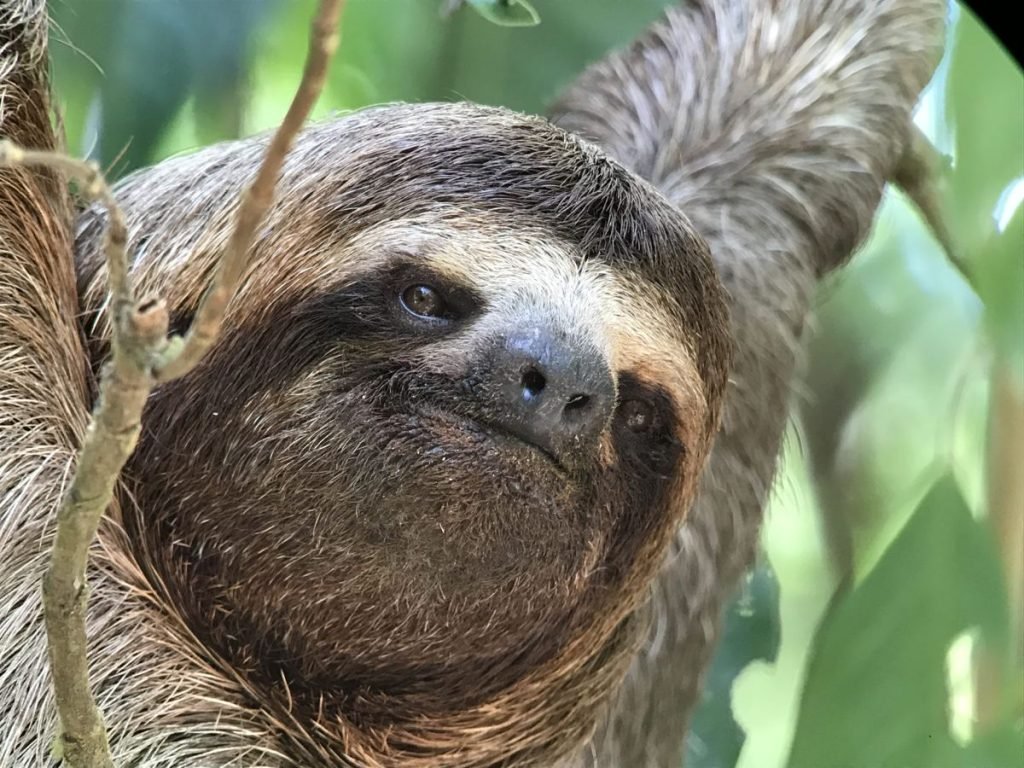

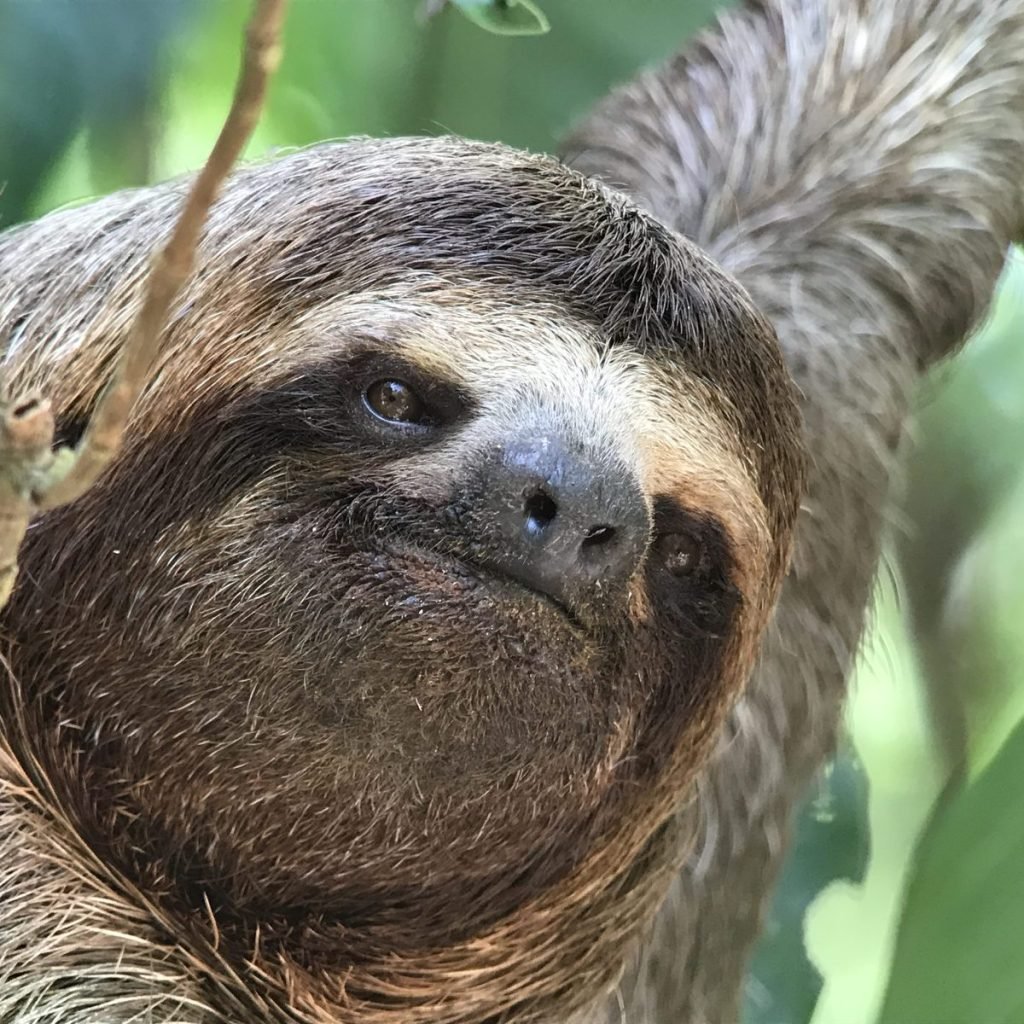
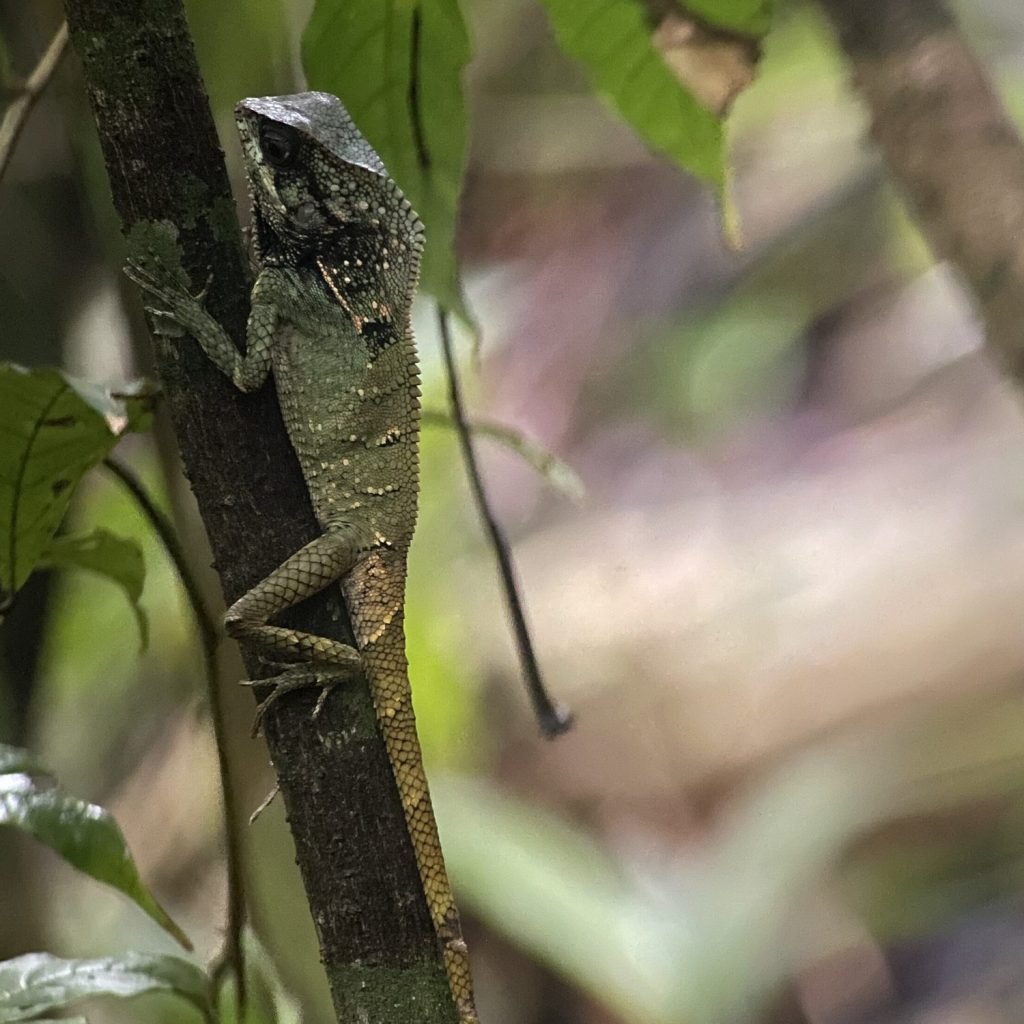
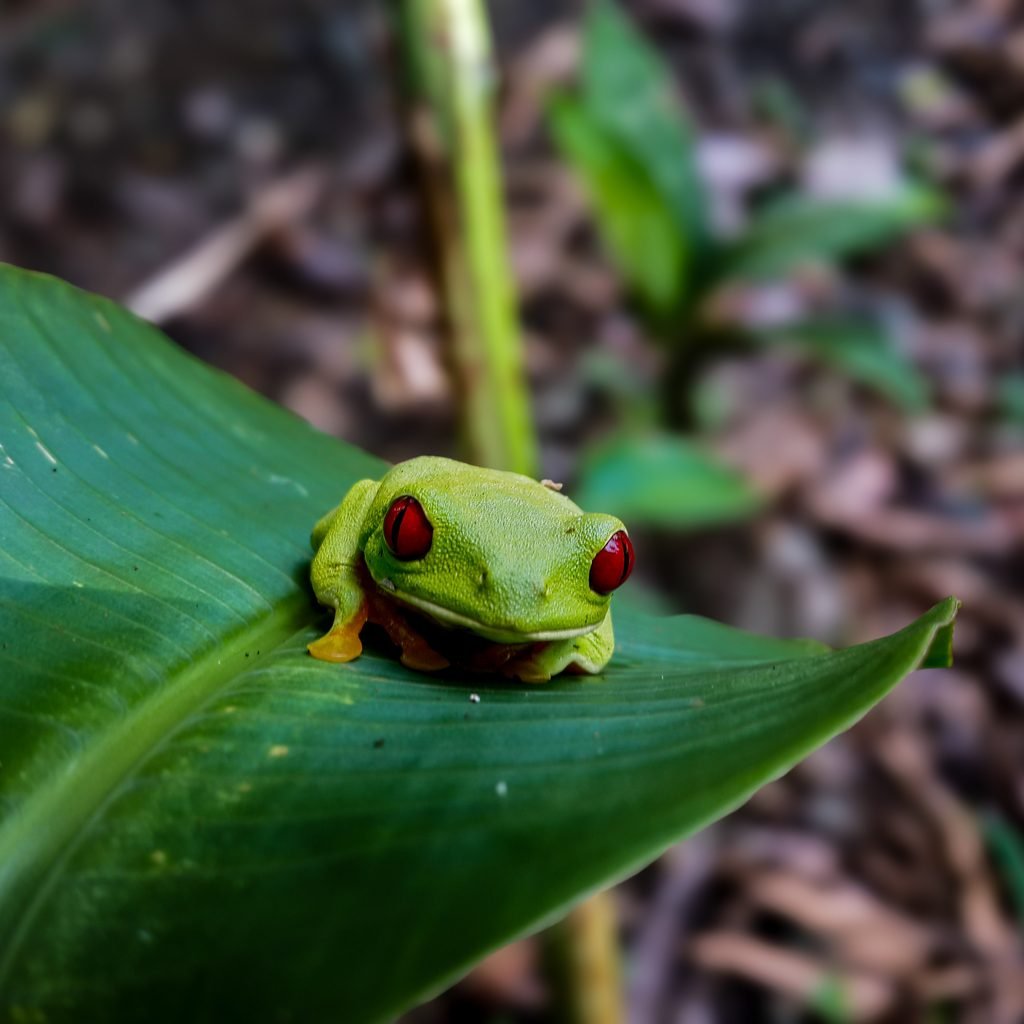
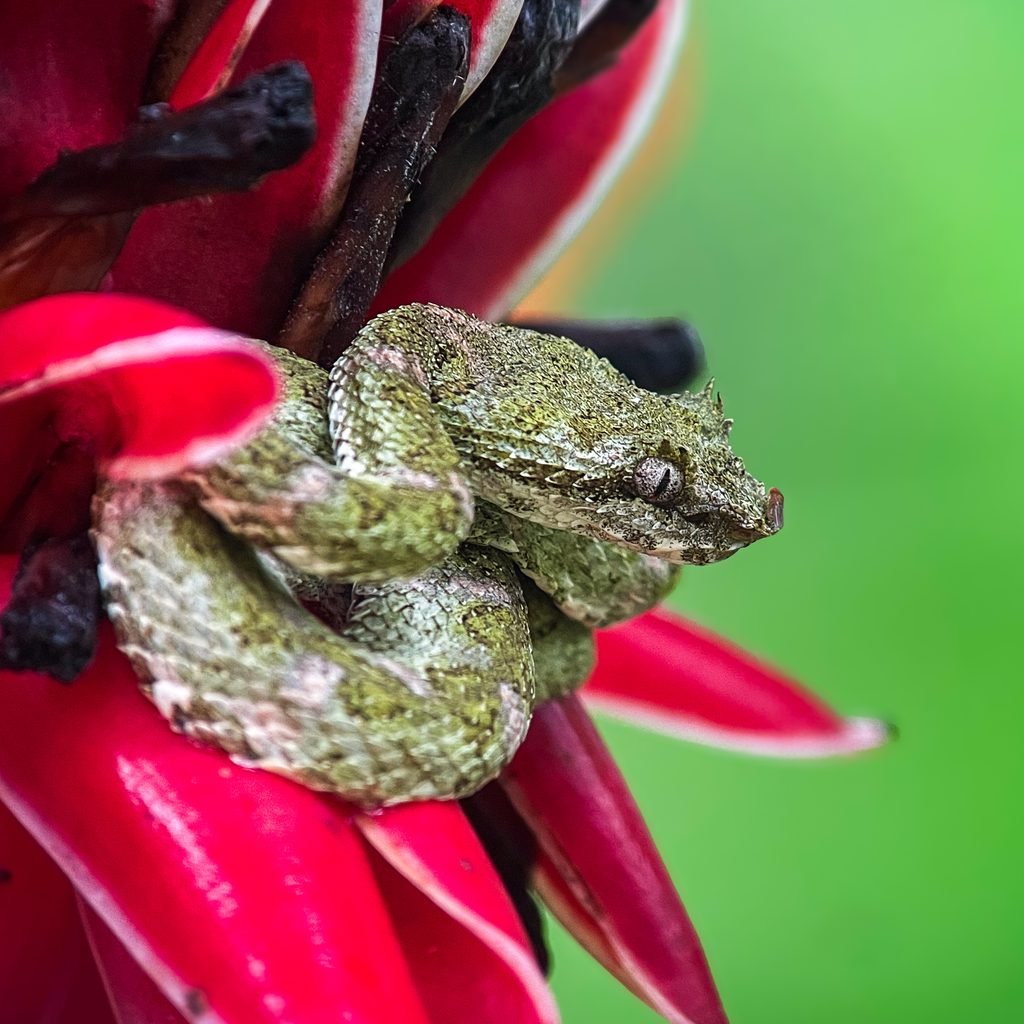
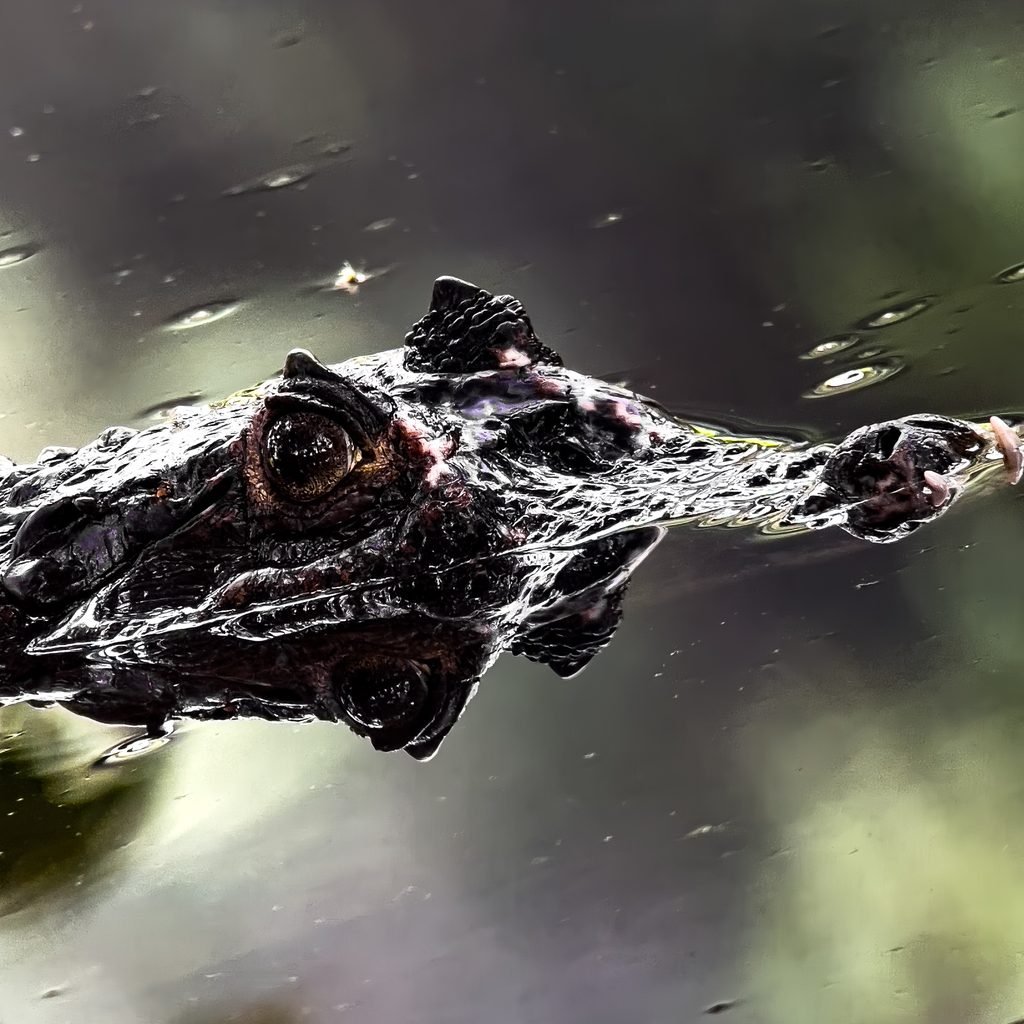
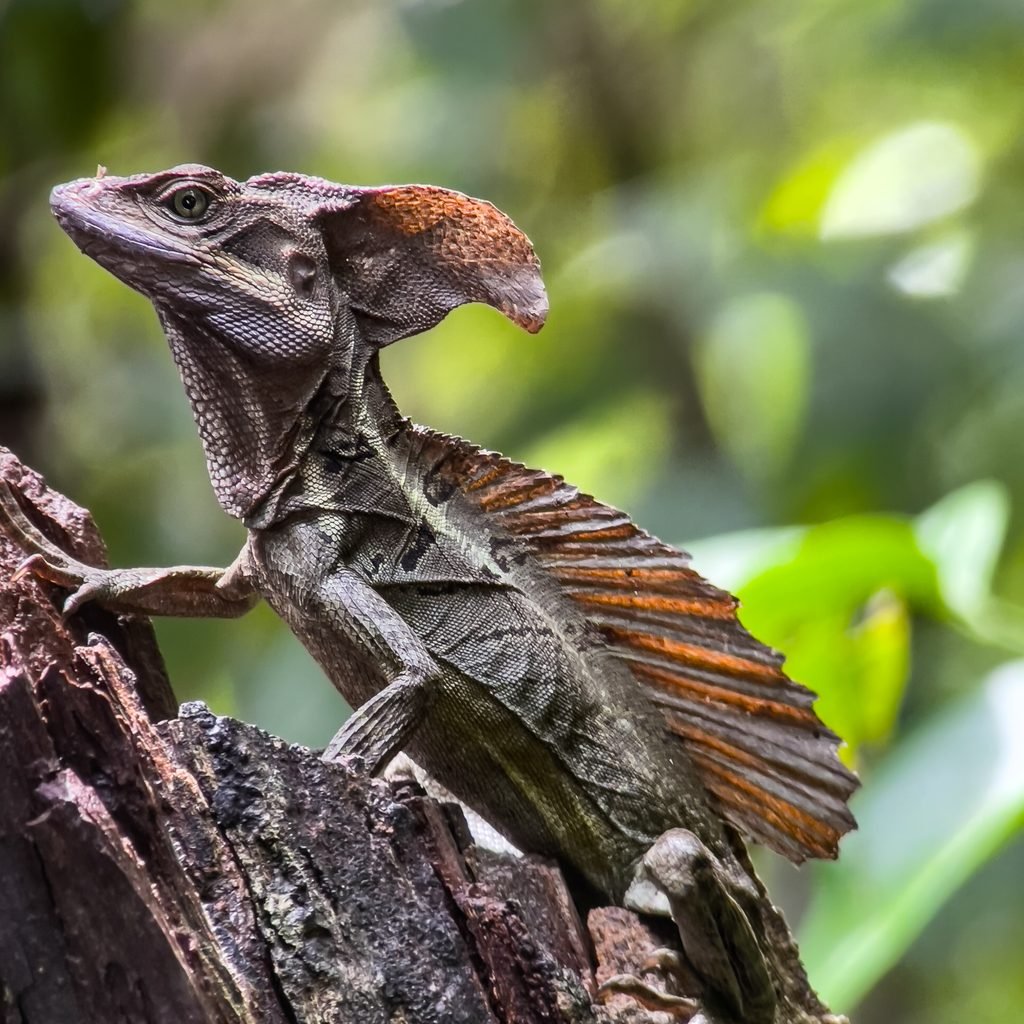
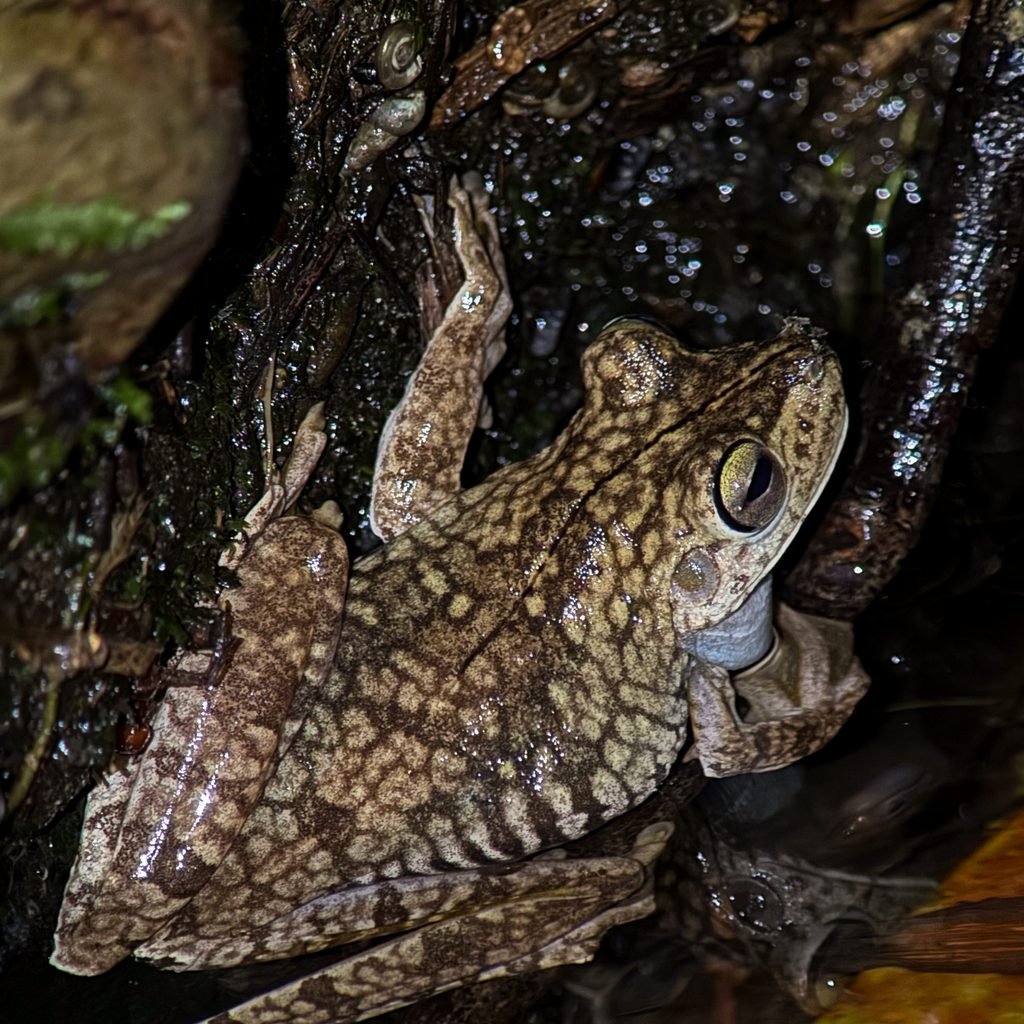
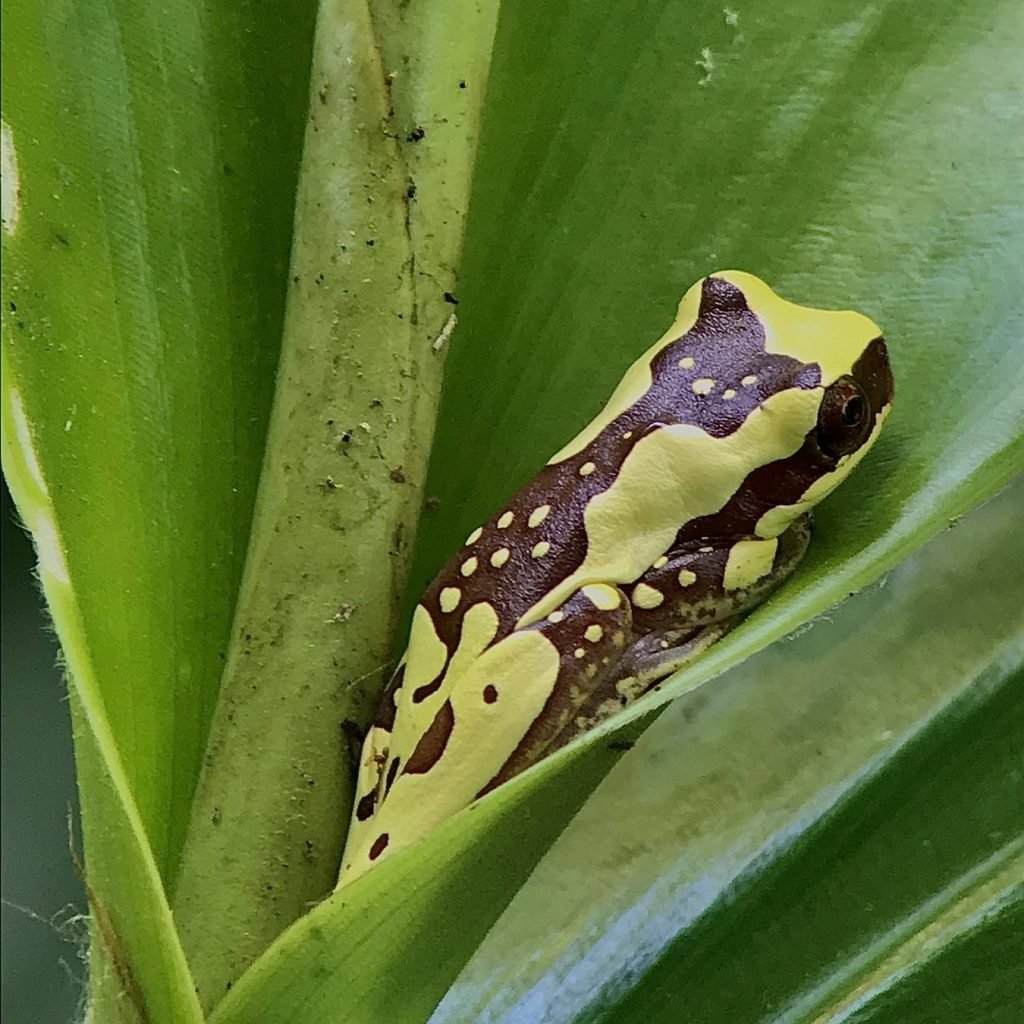
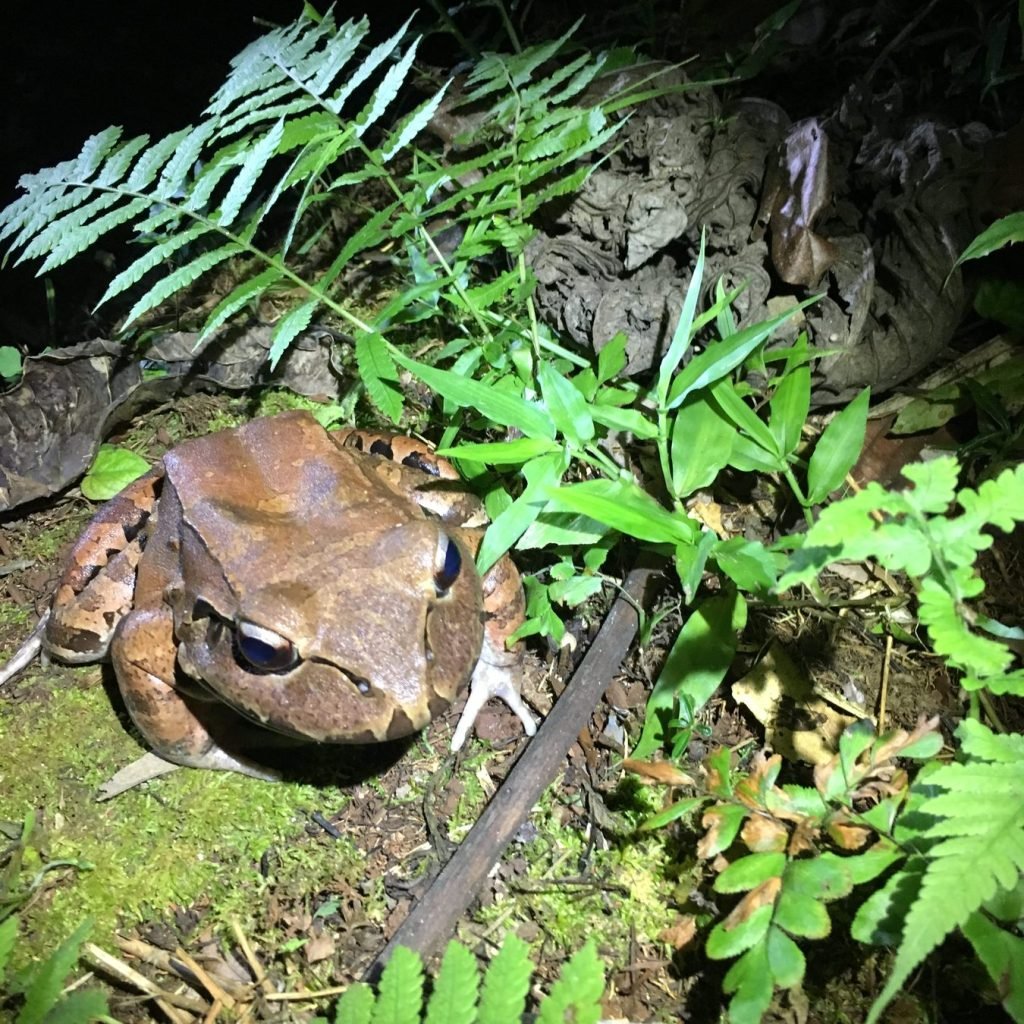
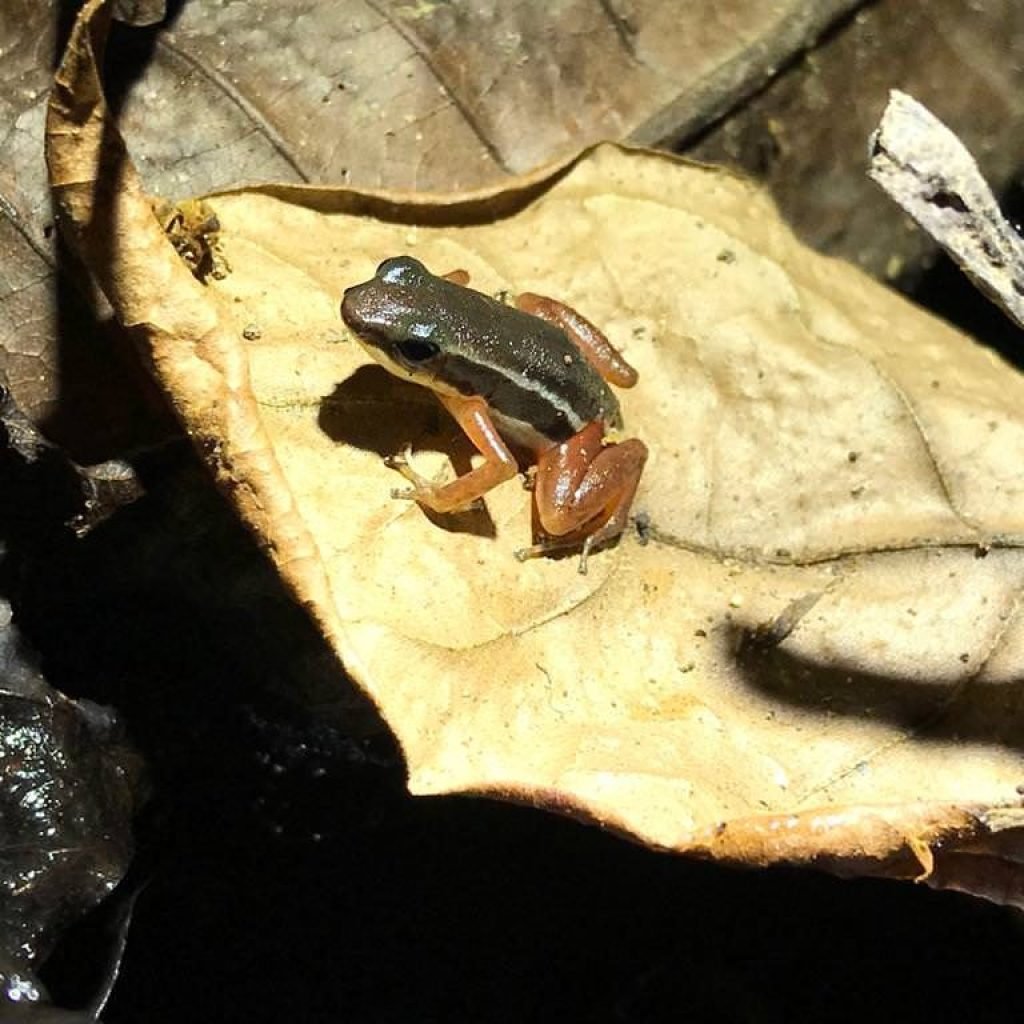
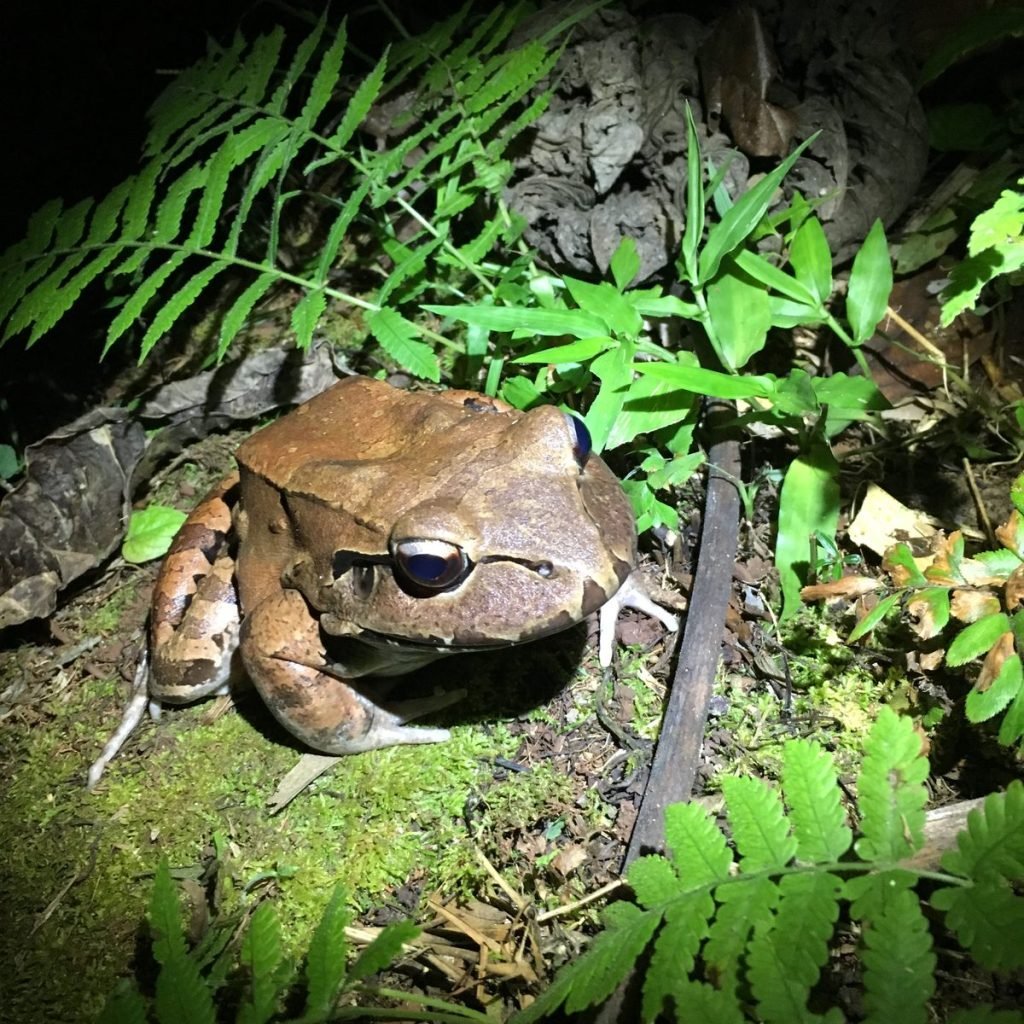
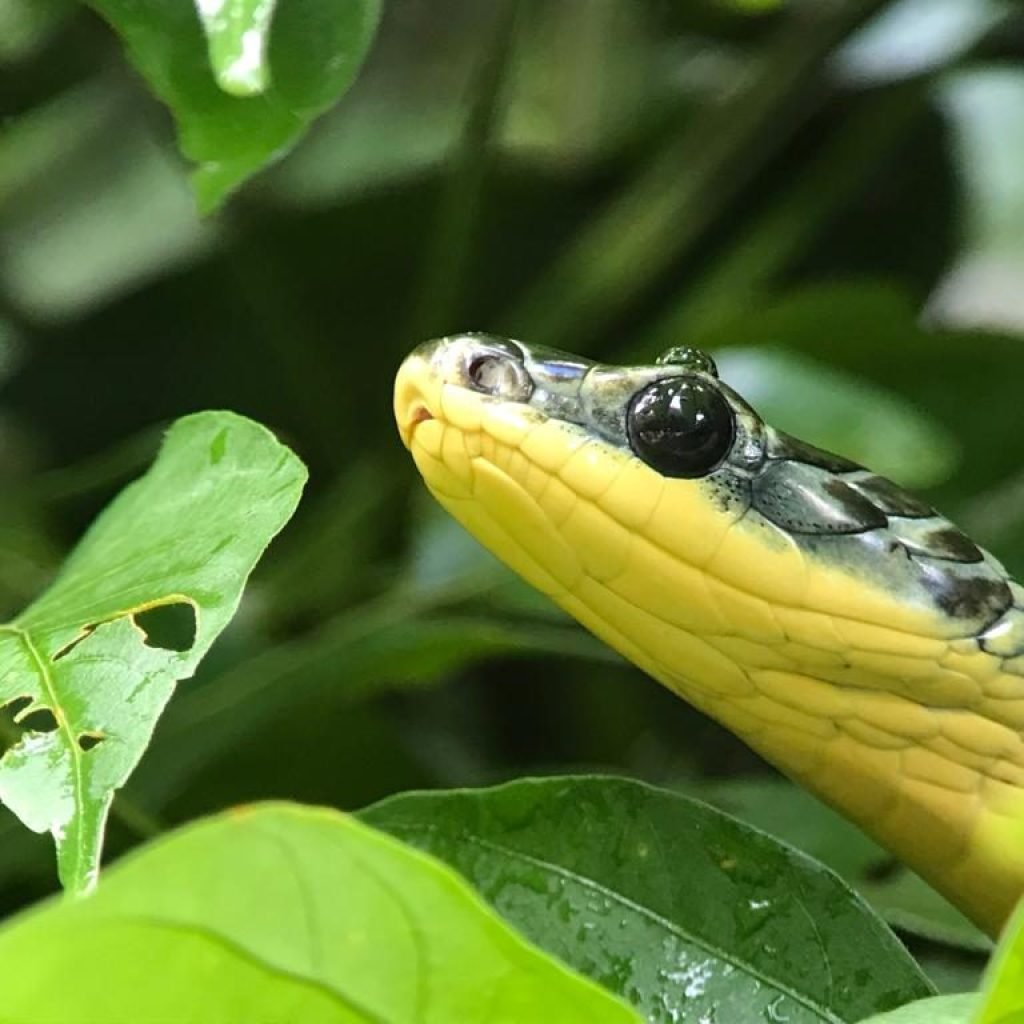
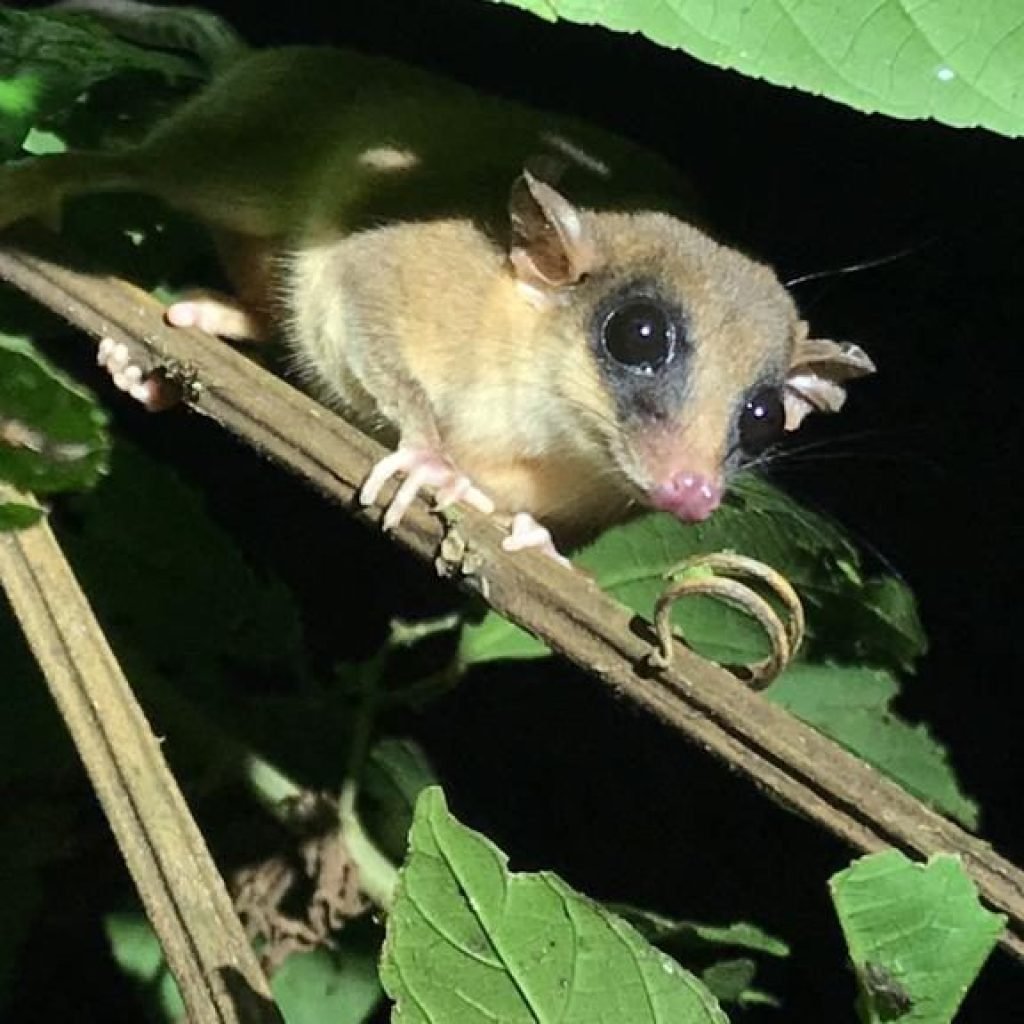
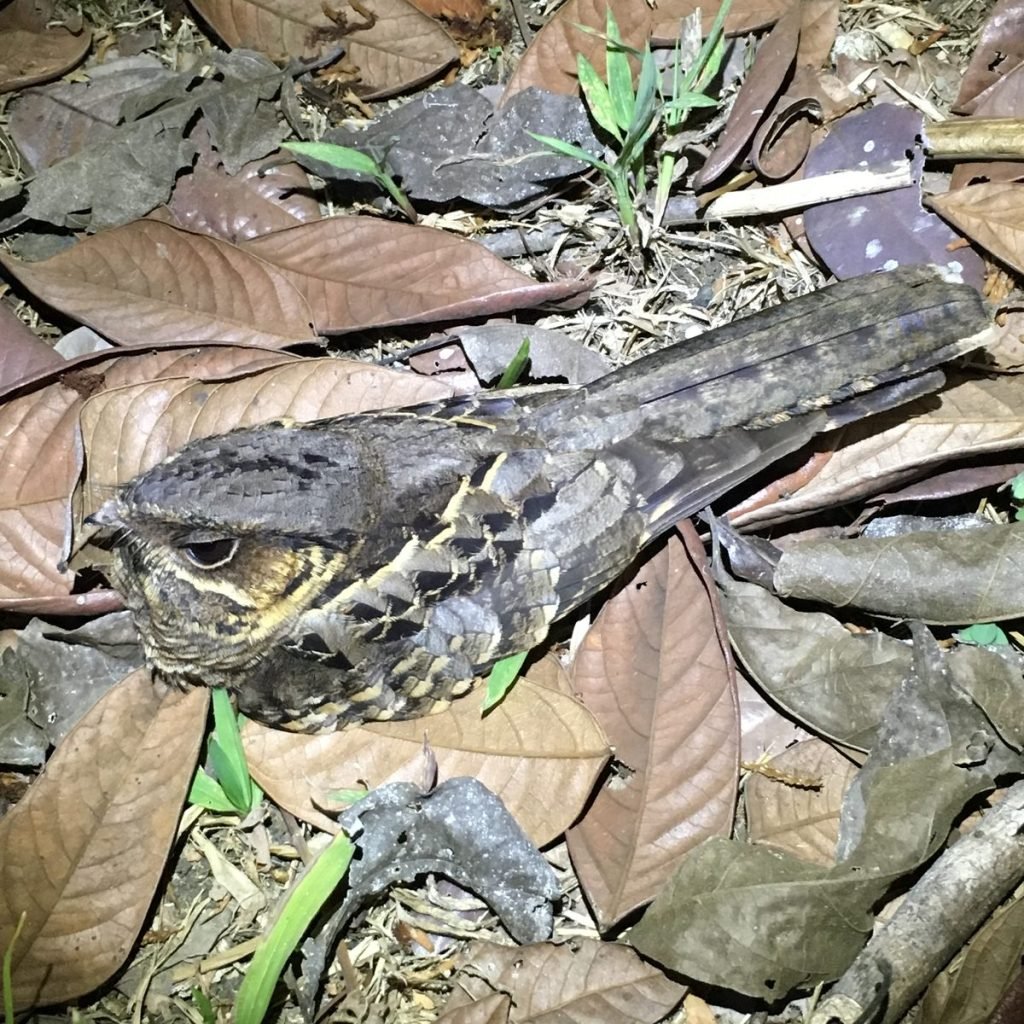


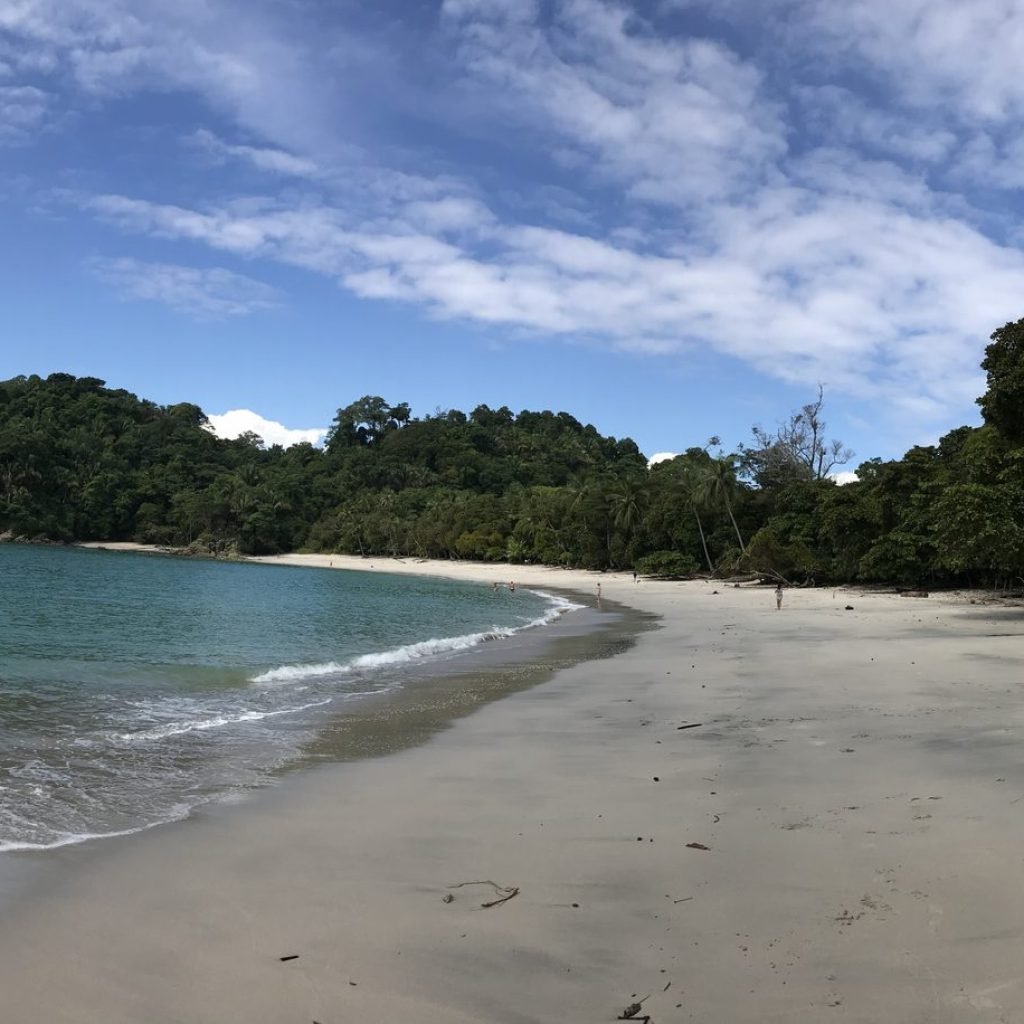
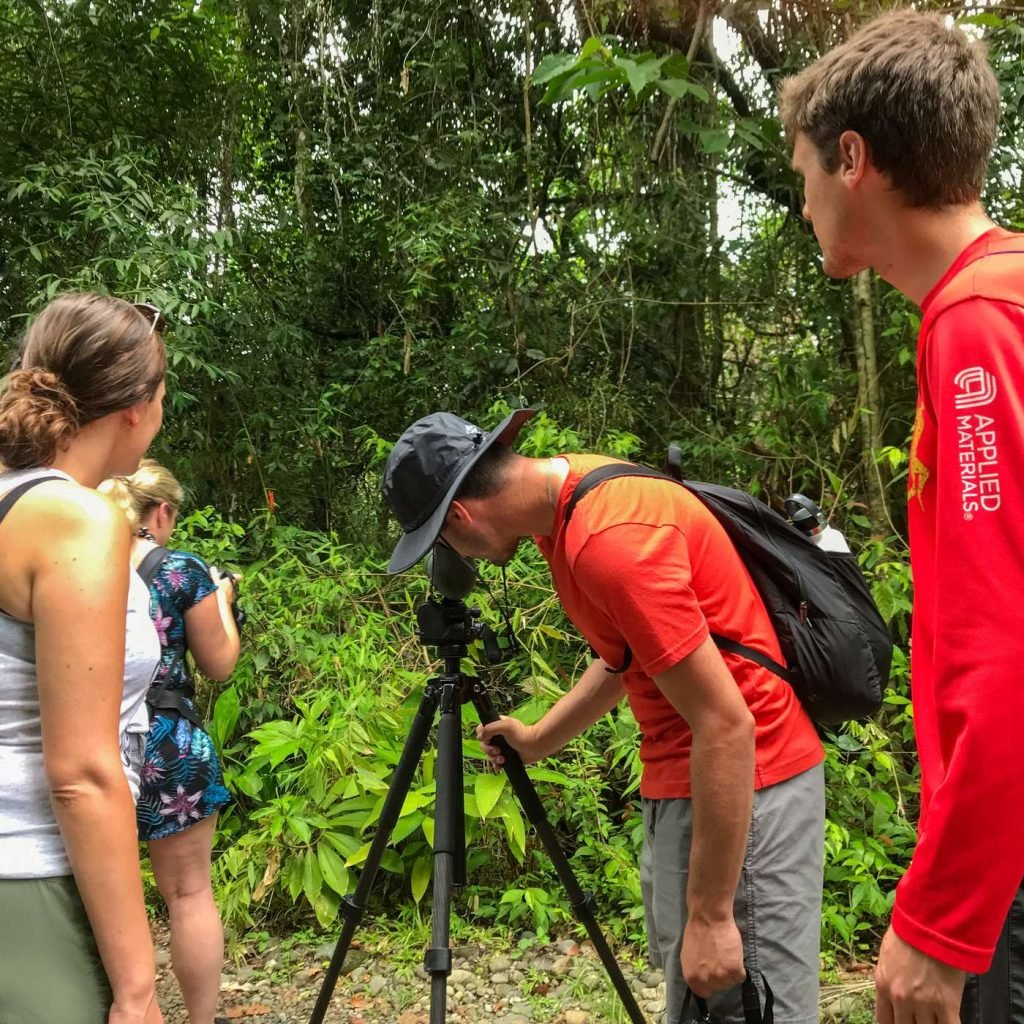
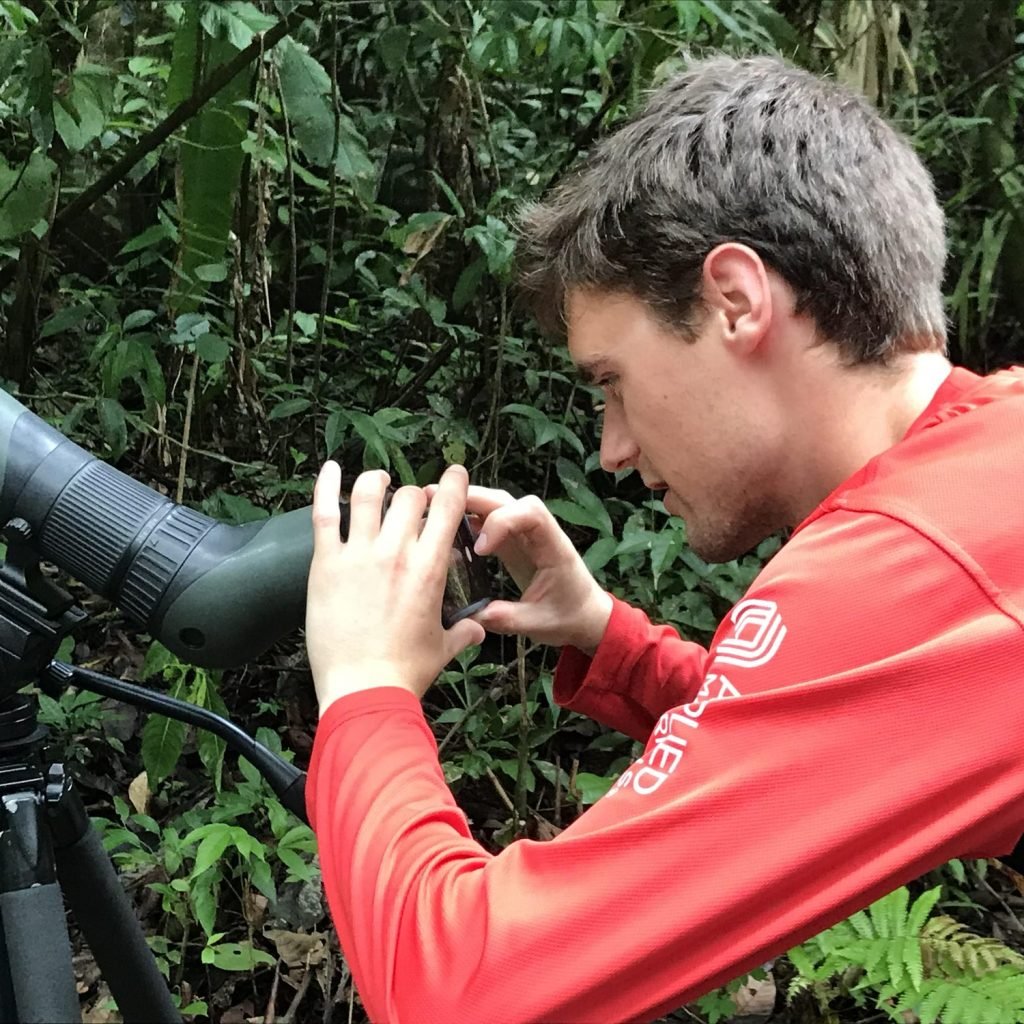
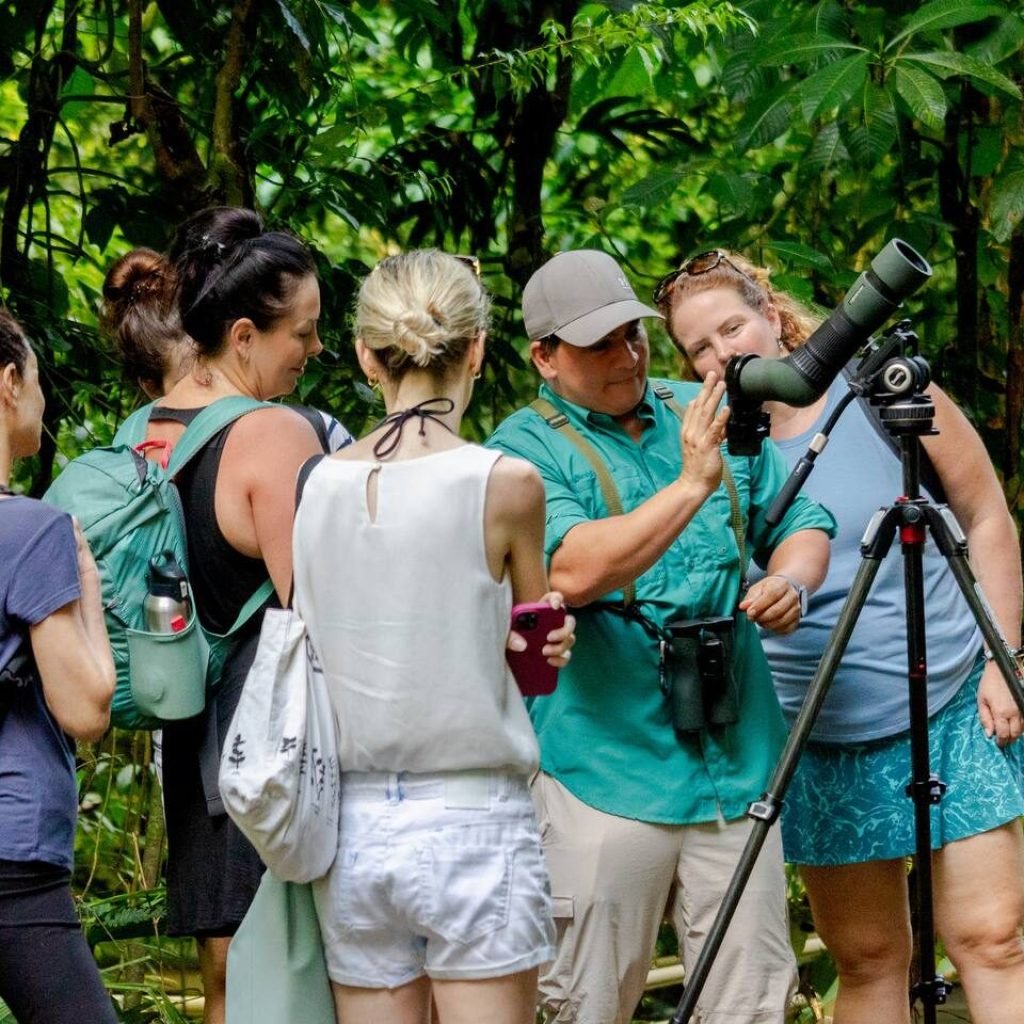
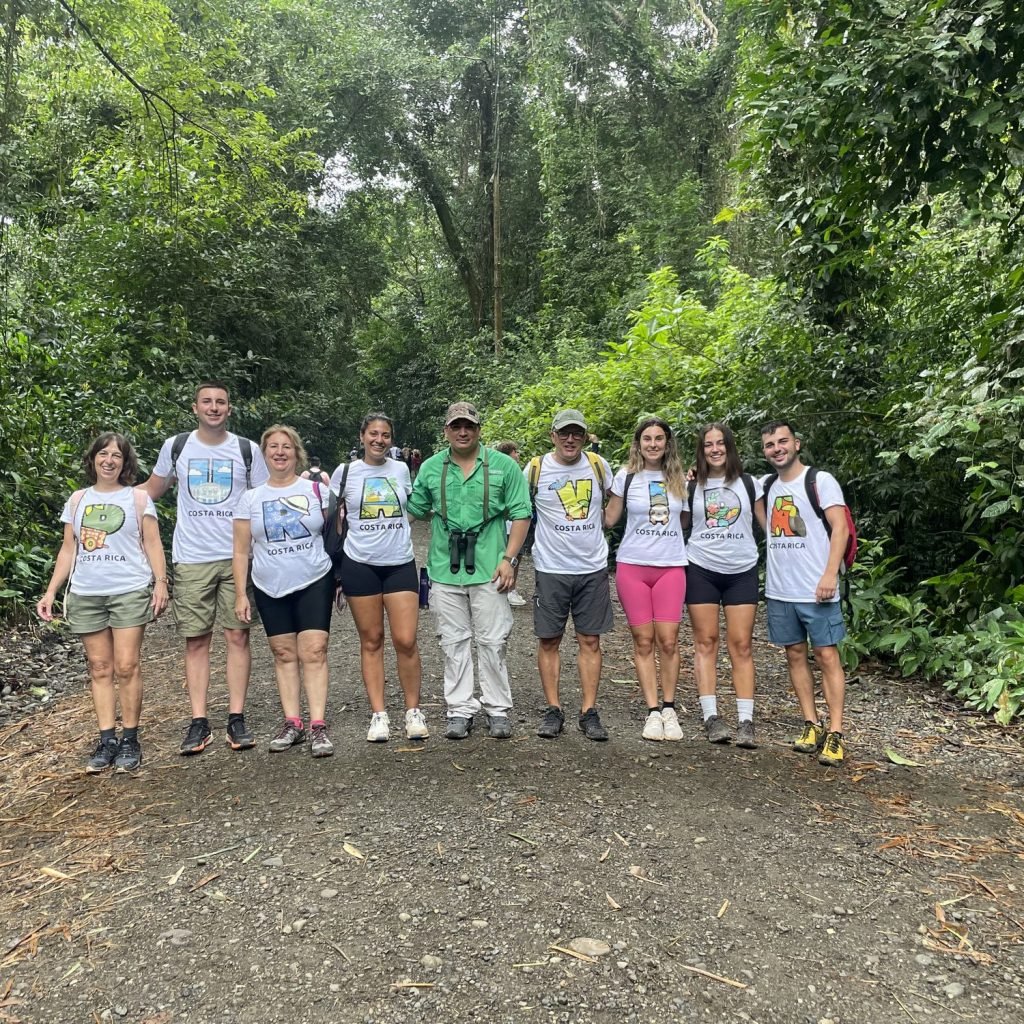
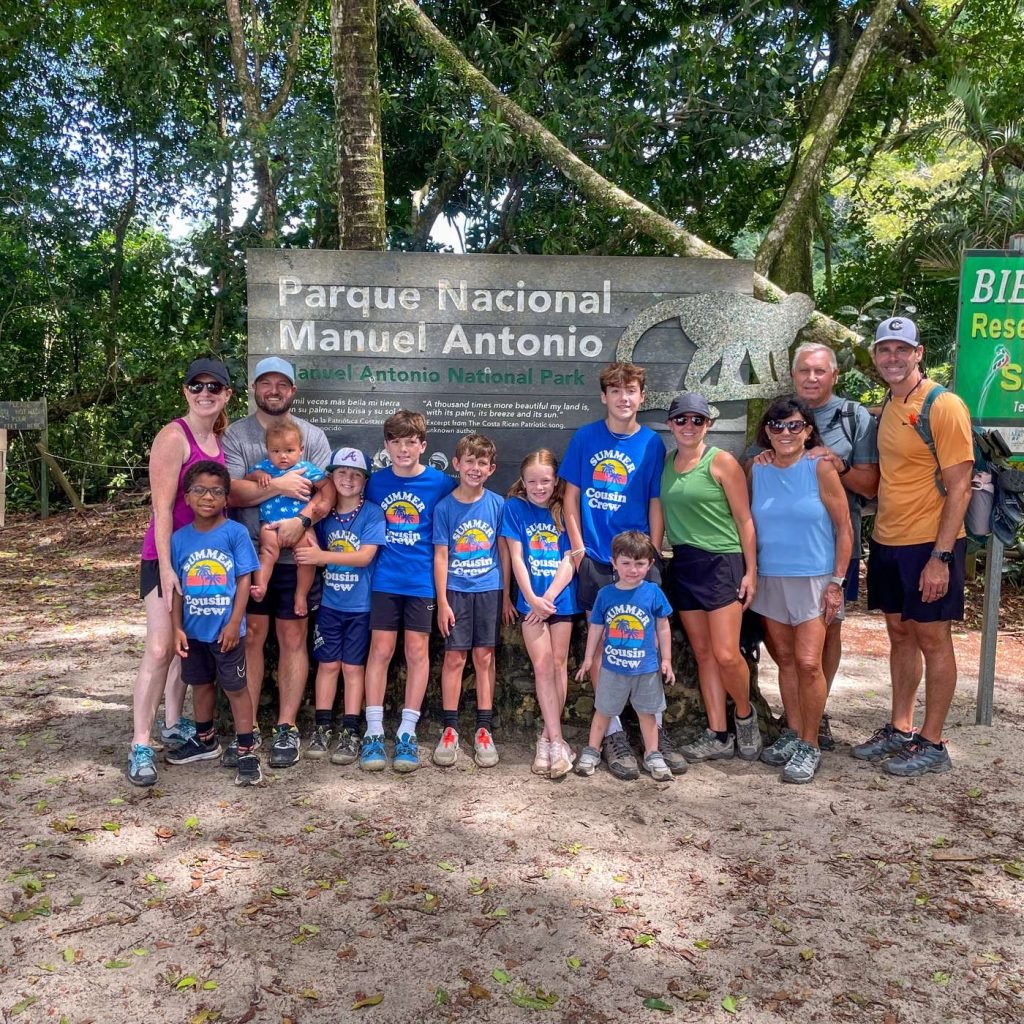
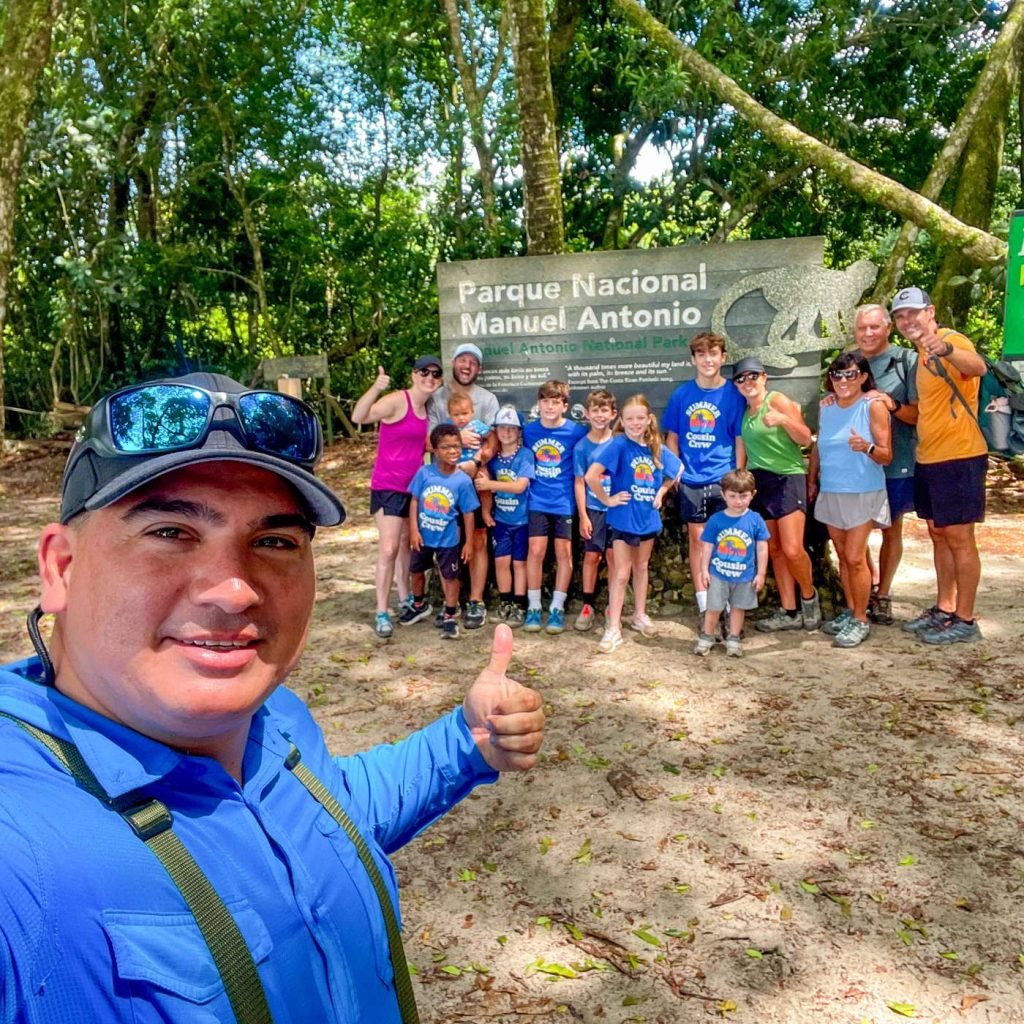
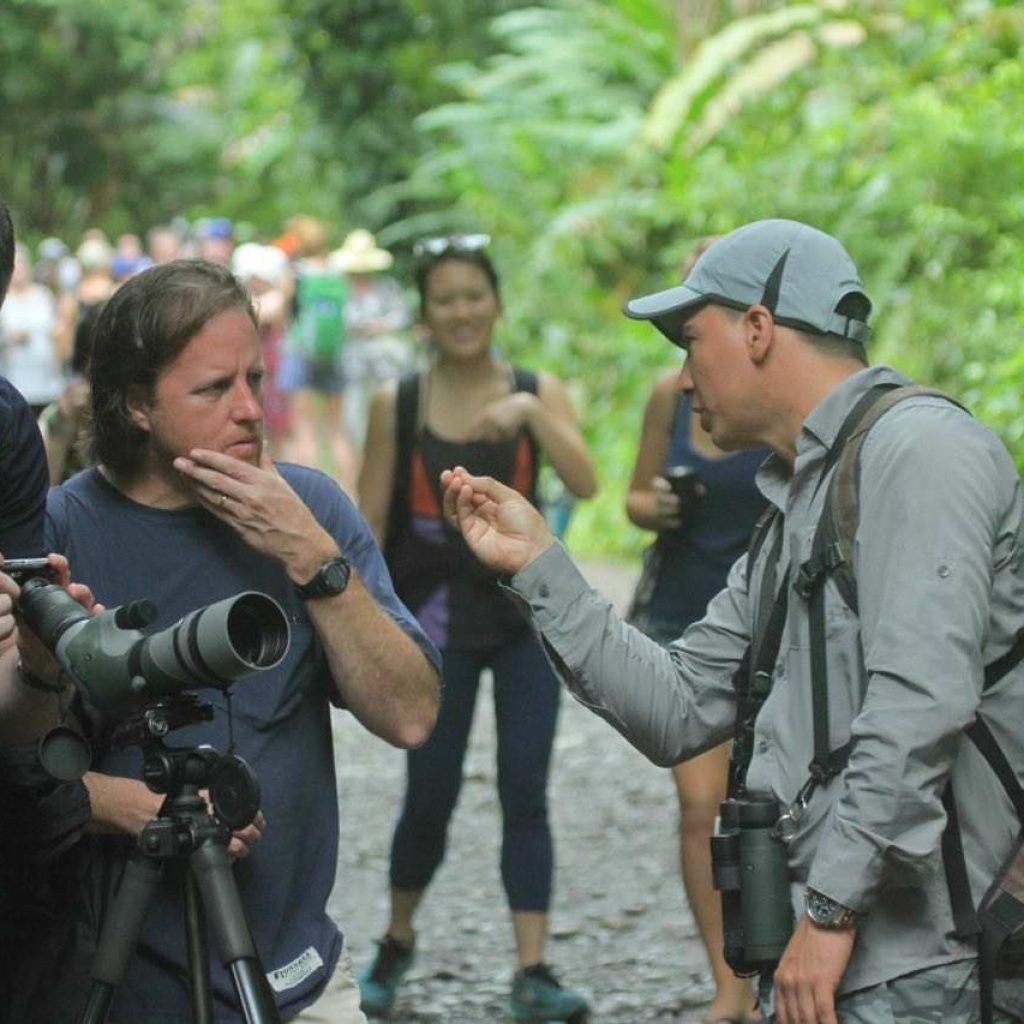


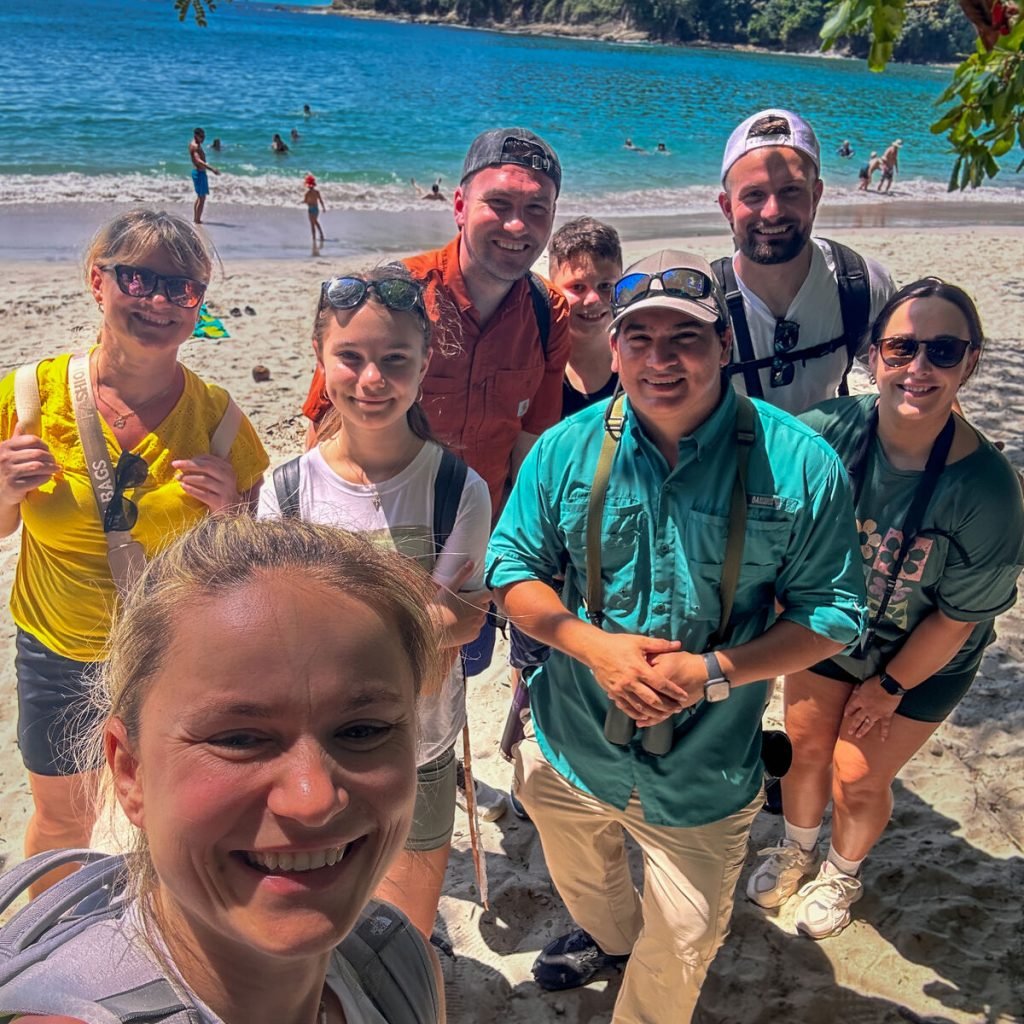

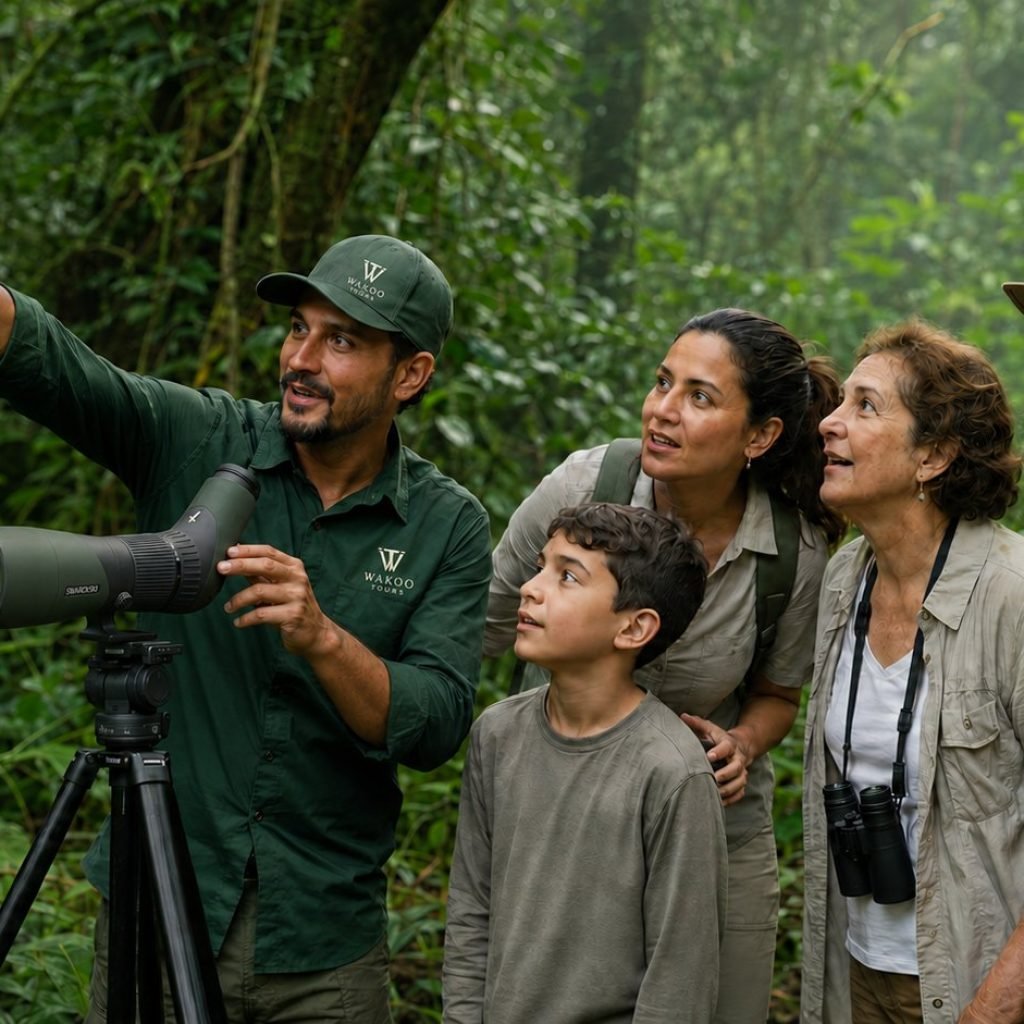
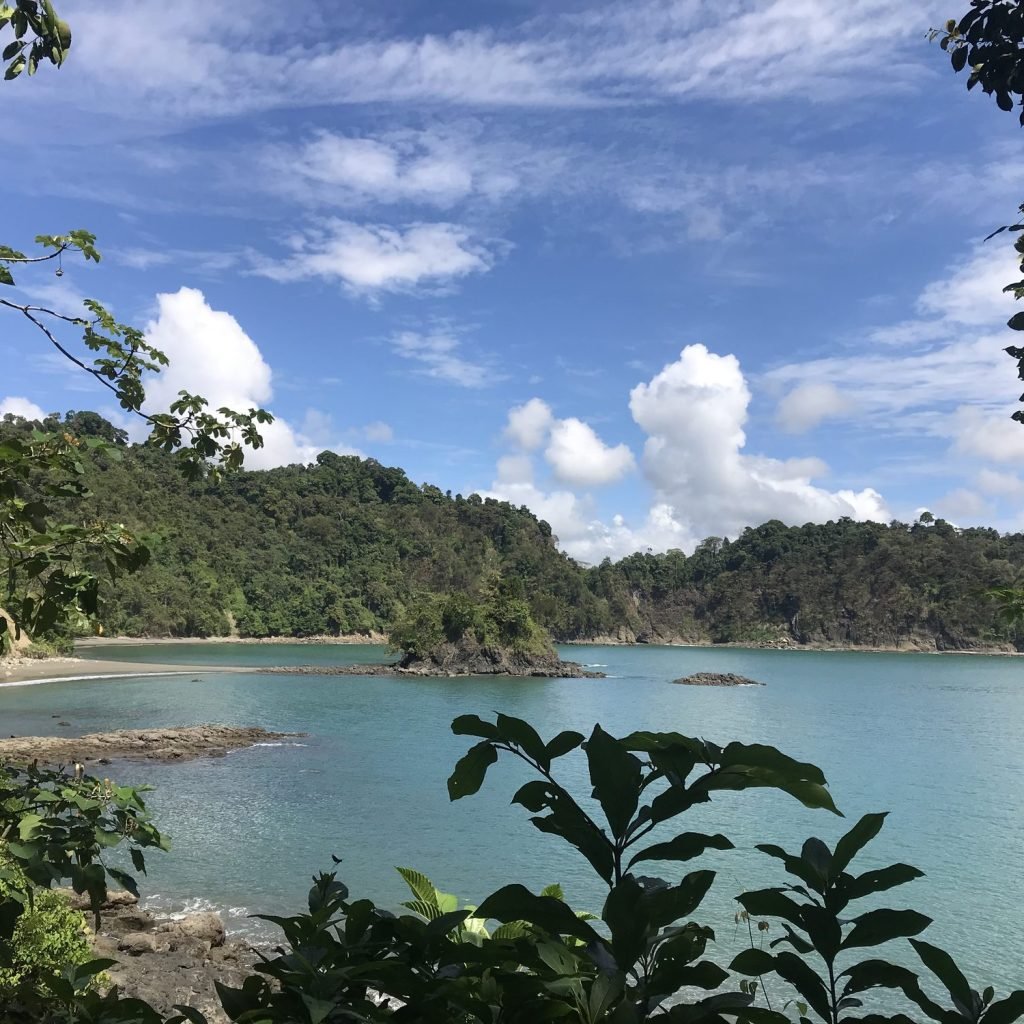
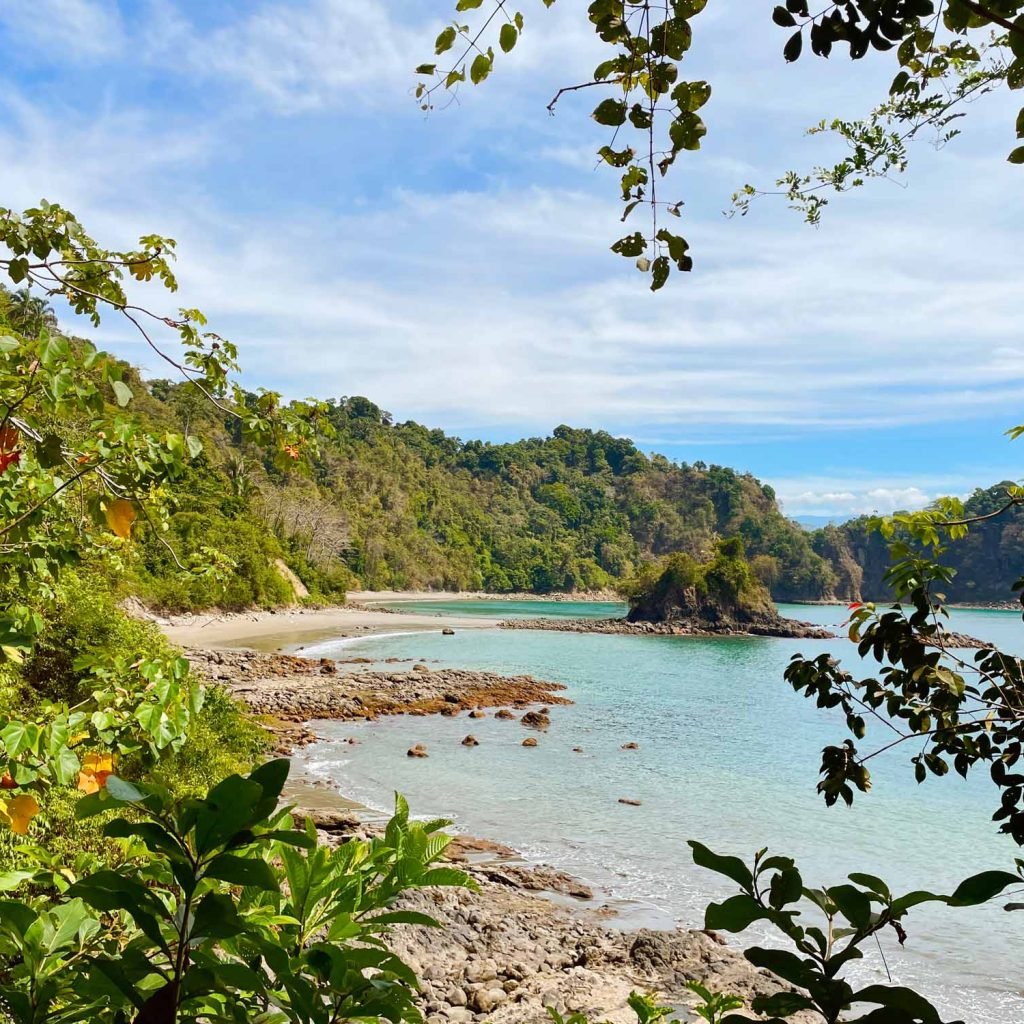
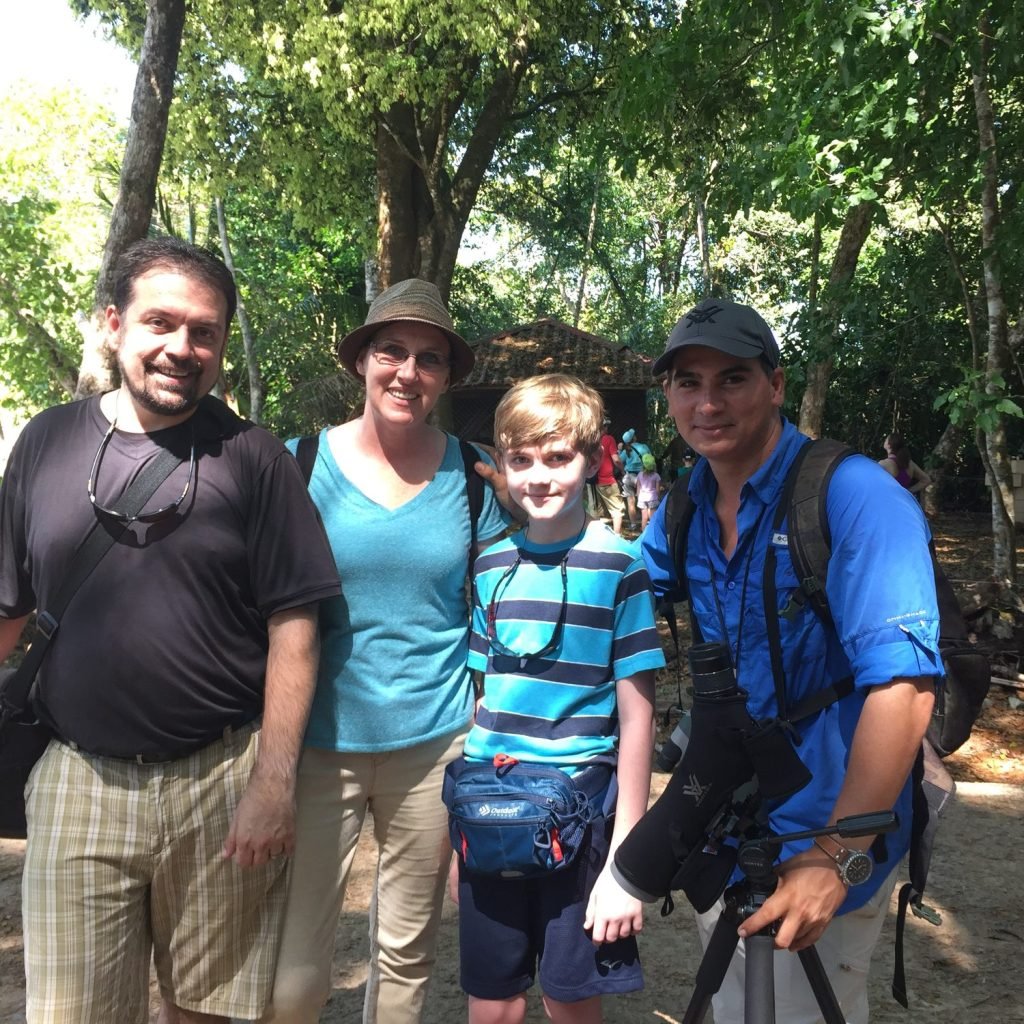


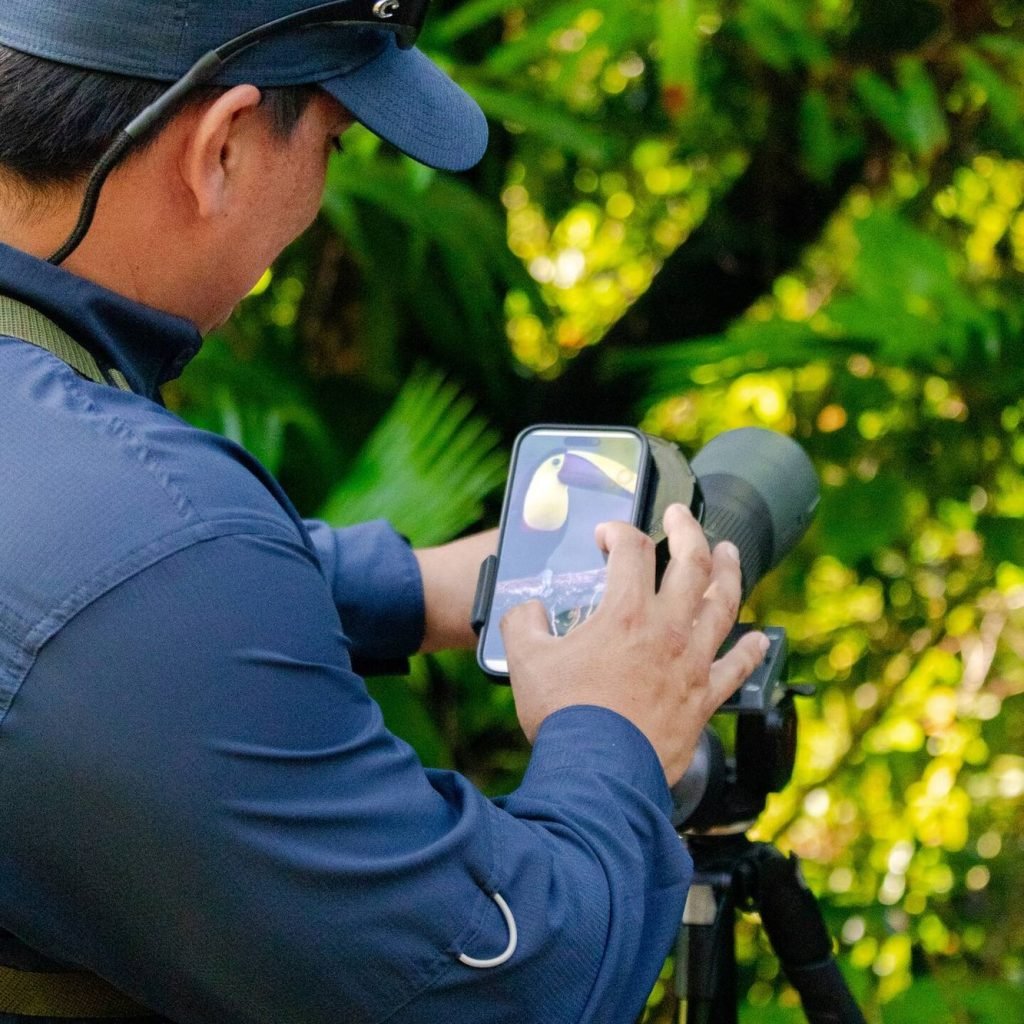

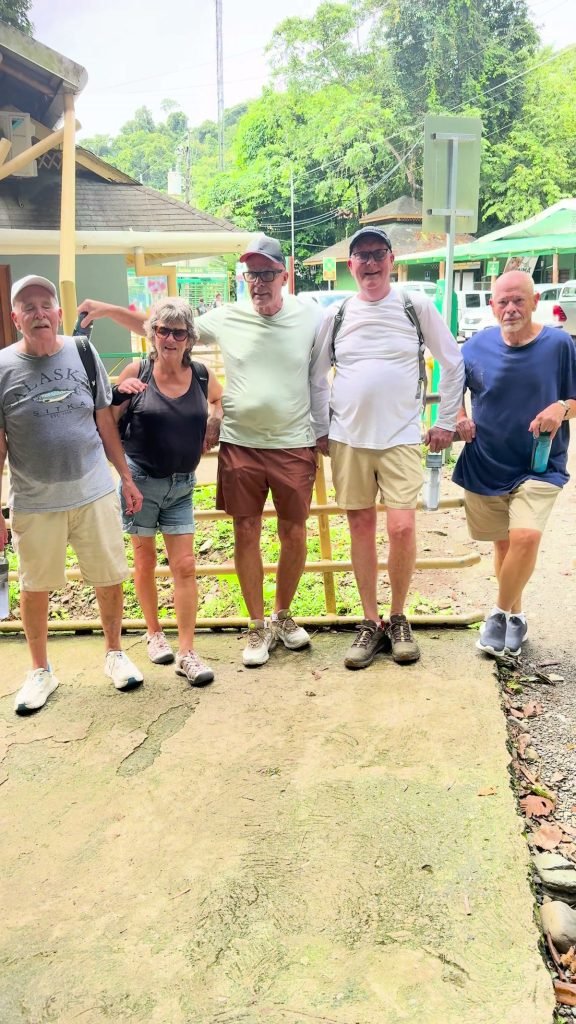

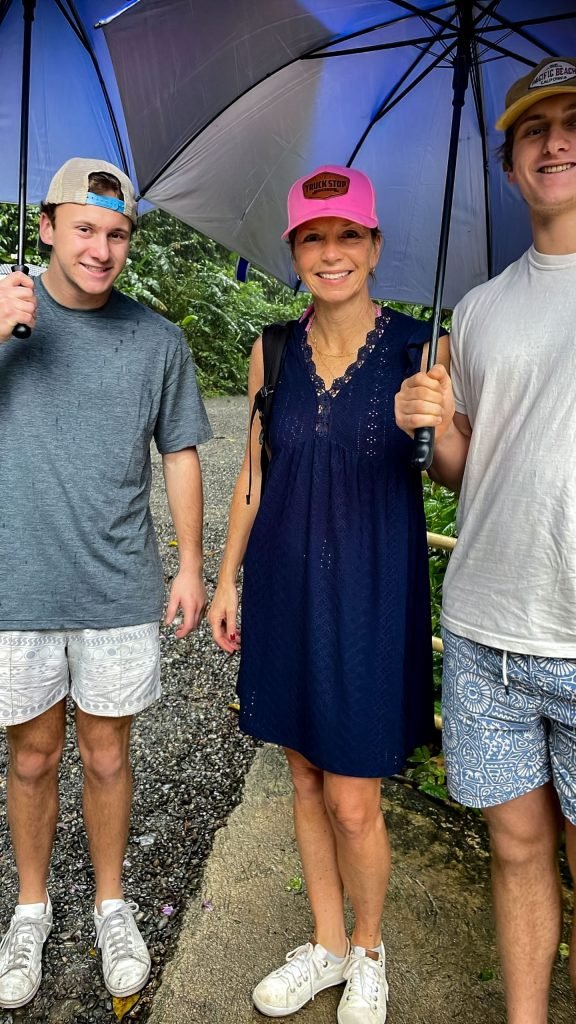
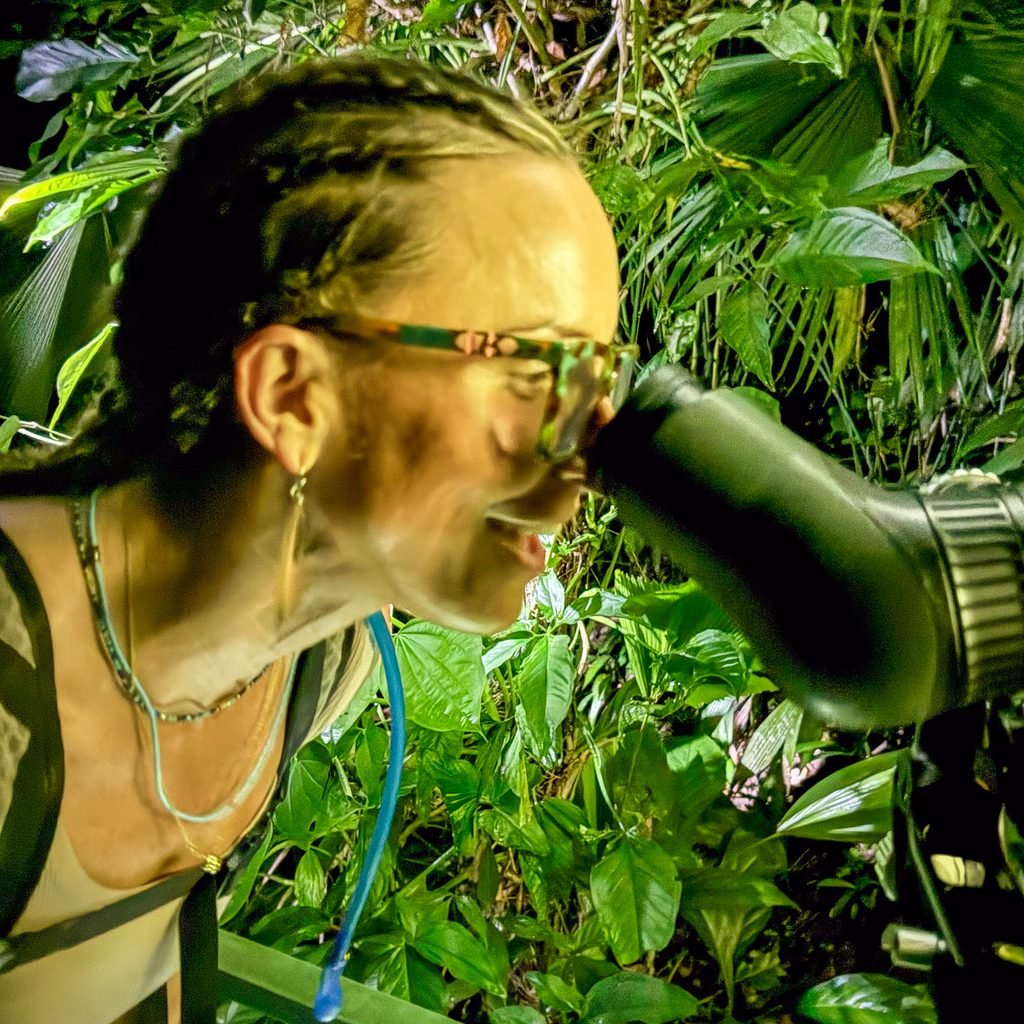
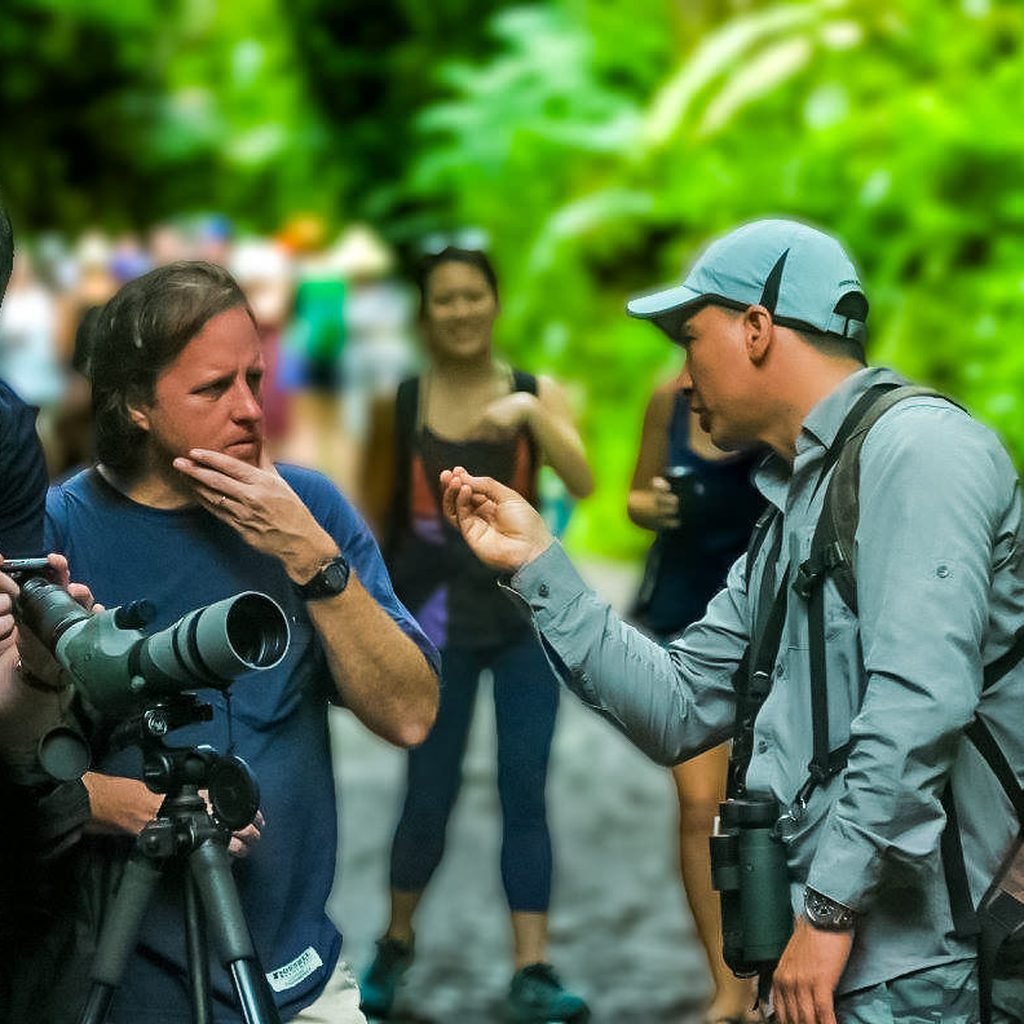
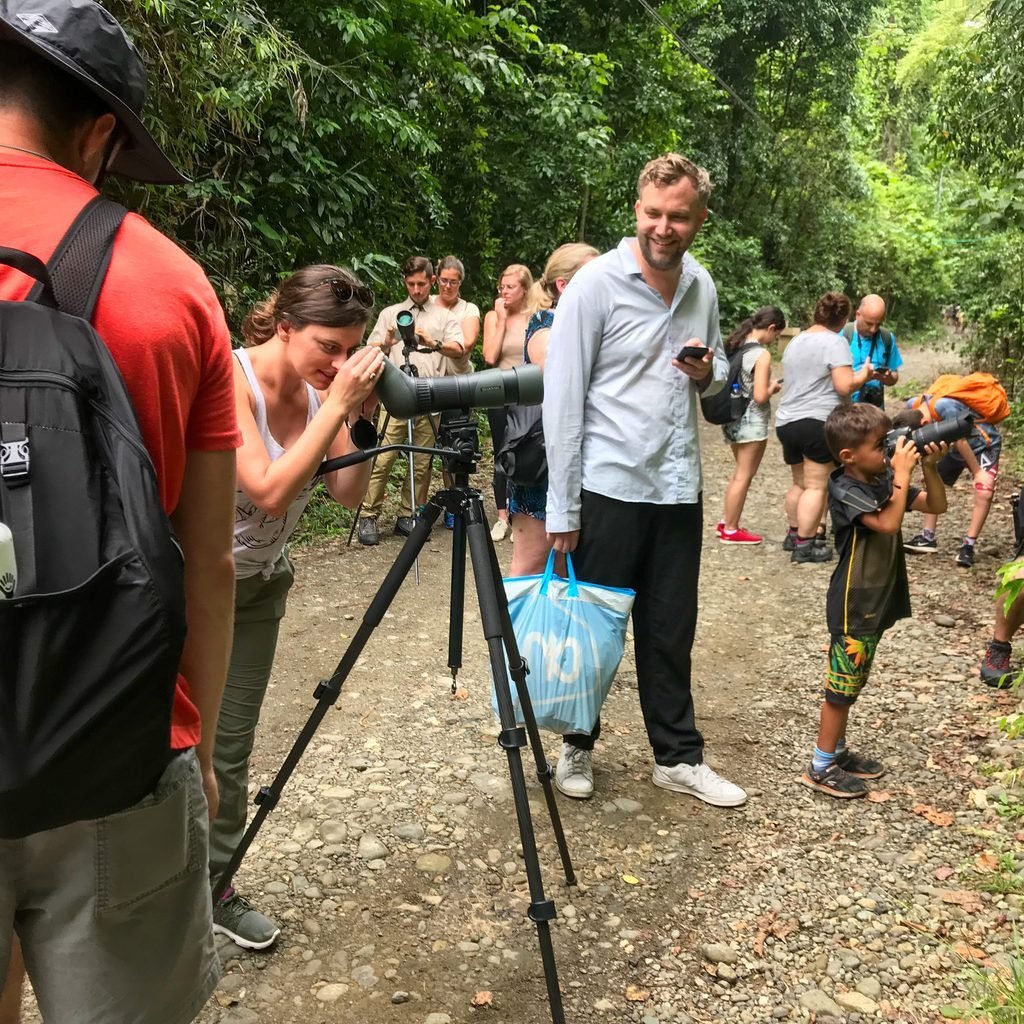
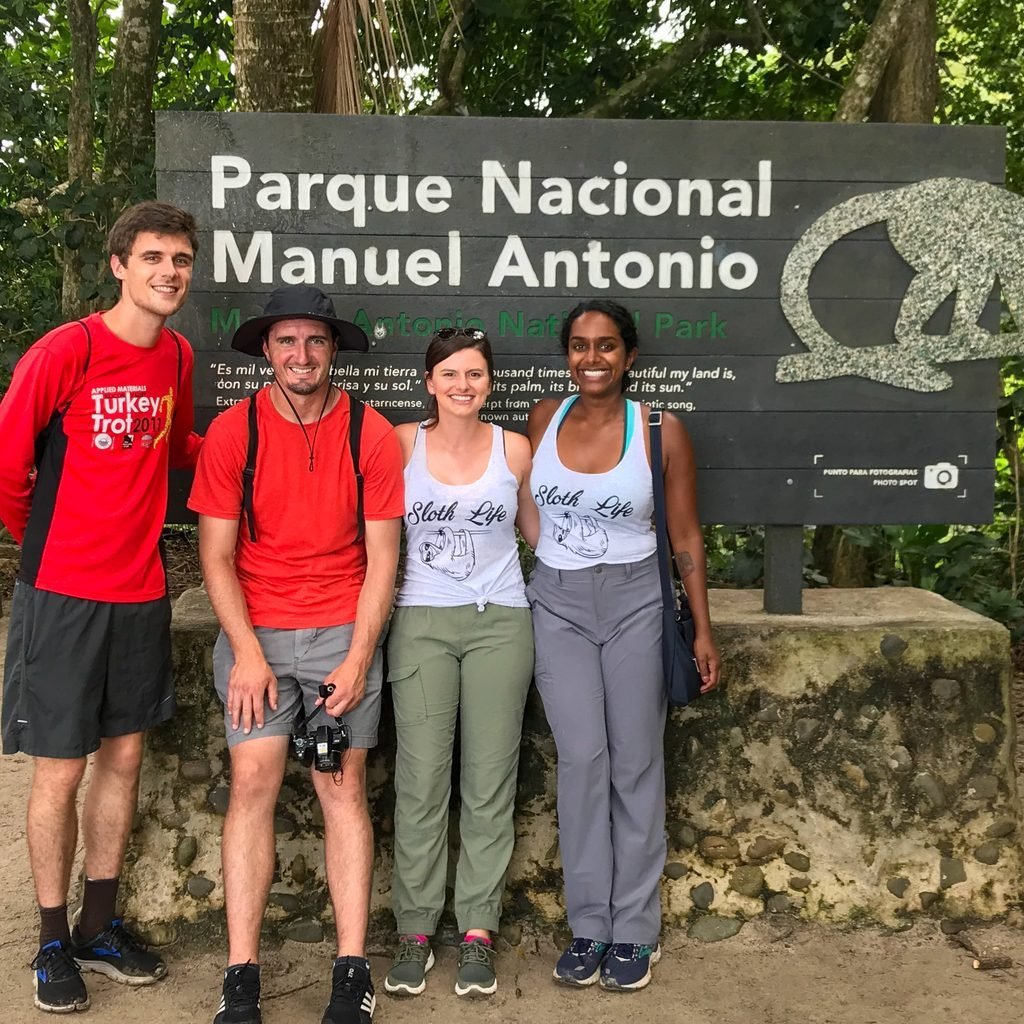
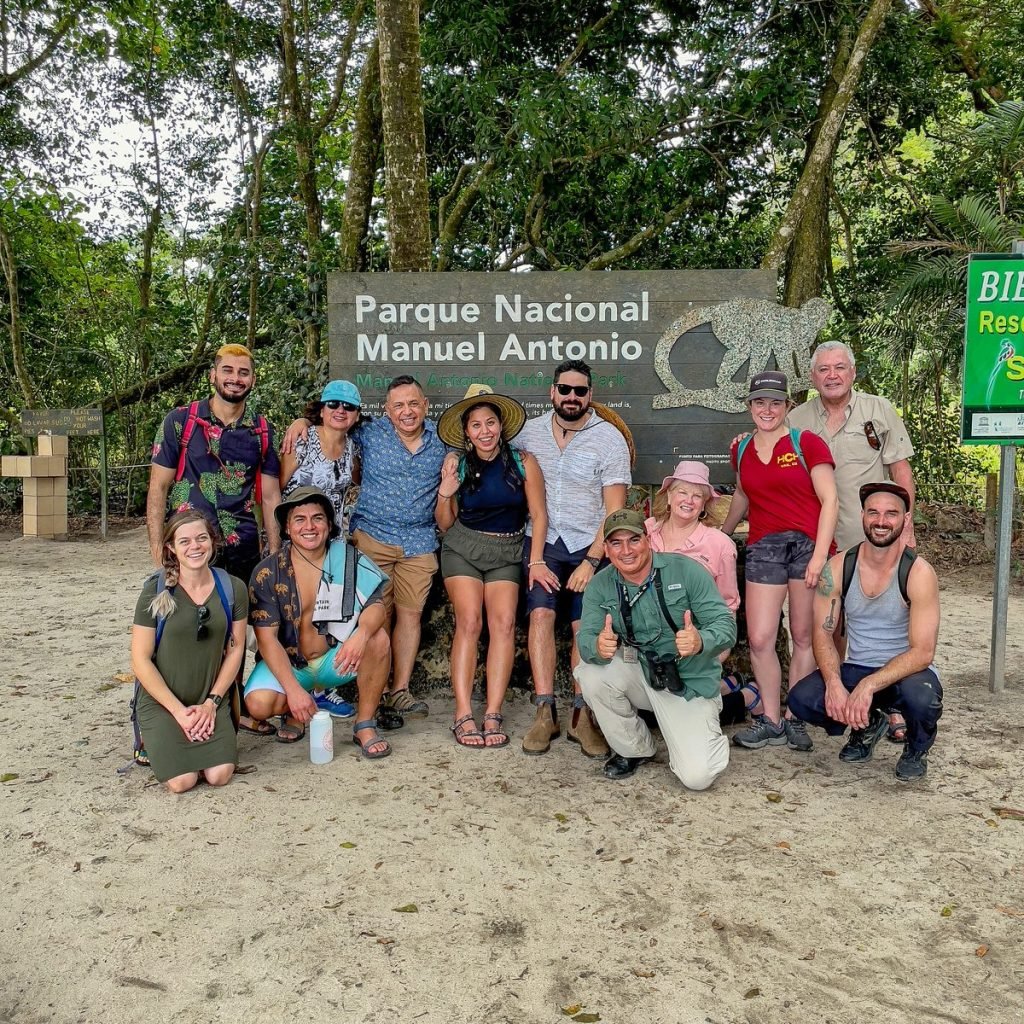

Photographed by our guides on real Wakoo Tours experiences in Manuel Antonio National Park. Wildlife sightings vary with each visit.
Before you go
After booking you receive a welcome message with every instruction: meeting point, starting time and park requirements. A passport number is required for every guest.
Tickets are not sold at the gate. Premium and VIP include it. For Classic Group and Classic Private you must reserve and pay yours online before the tour—$18.50 adults, $5.65 kids. If you arrive without a valid ticket the tour cannot run and is non-refundable.
Classic: 7:00, 7:30 or 8:00 AM (about 2 hours). Private: 10:00 AM, 12:30 PM or 1:00 PM. Premium and VIP visits can extend up to 4 hours with beach time.
Closed shoes (no sandals), towel, swimsuit, sunblock, sunglasses, camera and a reusable water bottle. No food is allowed inside the park.
After the tour, receive the 4K photographs and videos of your favorite animals captured through the scope during your experience.
GUEST VIDEO REVIEWS
Hear our guests share what stayed with them after their experience with Wakoo Tours.
Two guests share their experience on a Wakoo Tours guided walk in Manuel Antonio National Park, Costa Rica. Filmed beside the beach, their video review explains how a naturalist guide helped them notice wildlife they would have missed on their own.
Guests reflect on their private VIP tour of Manuel Antonio National Park with Wakoo Tours. In this video testimonial, the group recommends the guided experience and shares how their guides helped them discover wildlife, appreciate the forest and learn more along the way.
Continue exploring Manuel Antonio
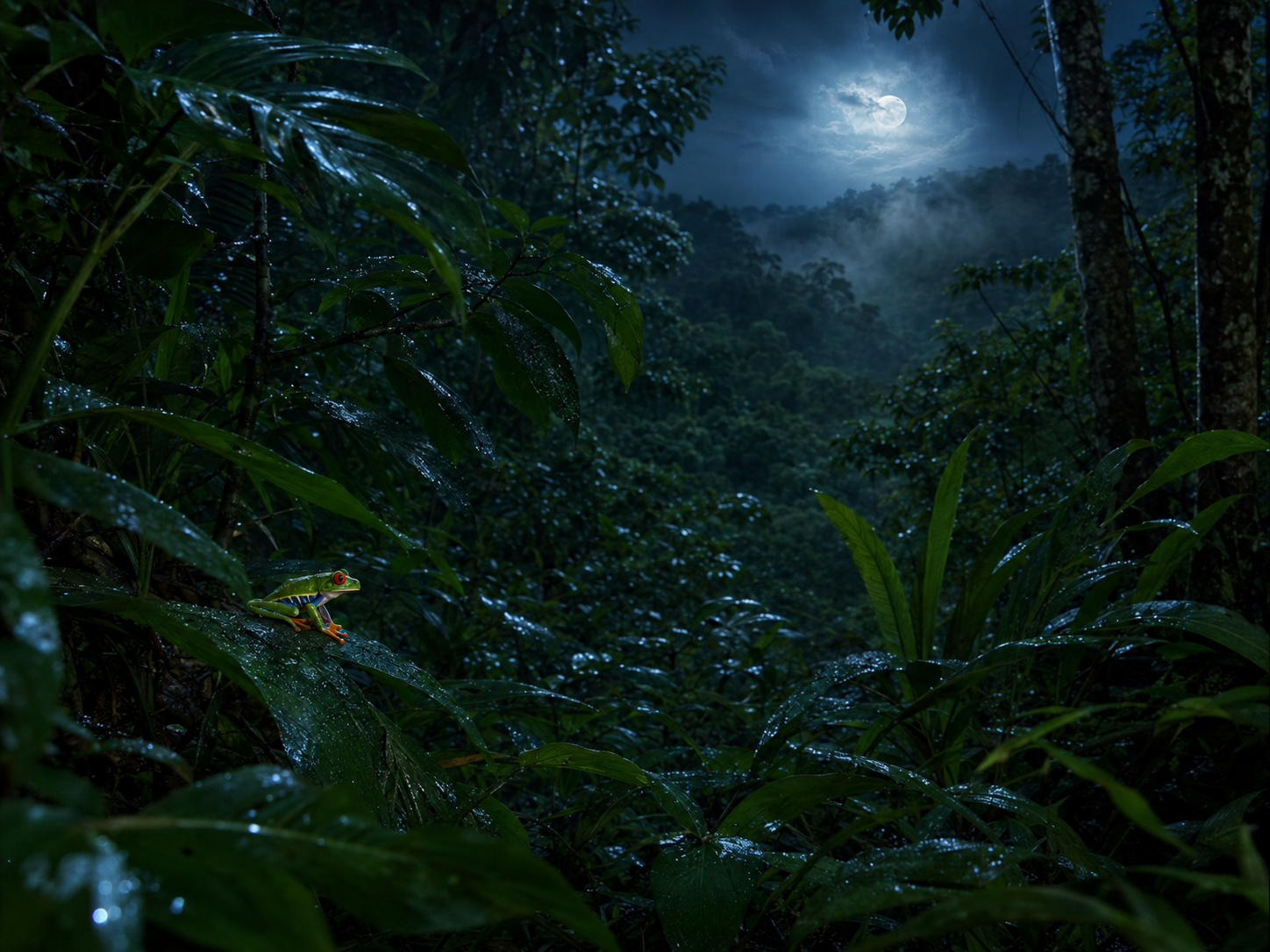
After dark · 2 hours
Enter the forest after sunset in search of frogs, snakes, sleeping birds and the wildlife that wakes after dark.
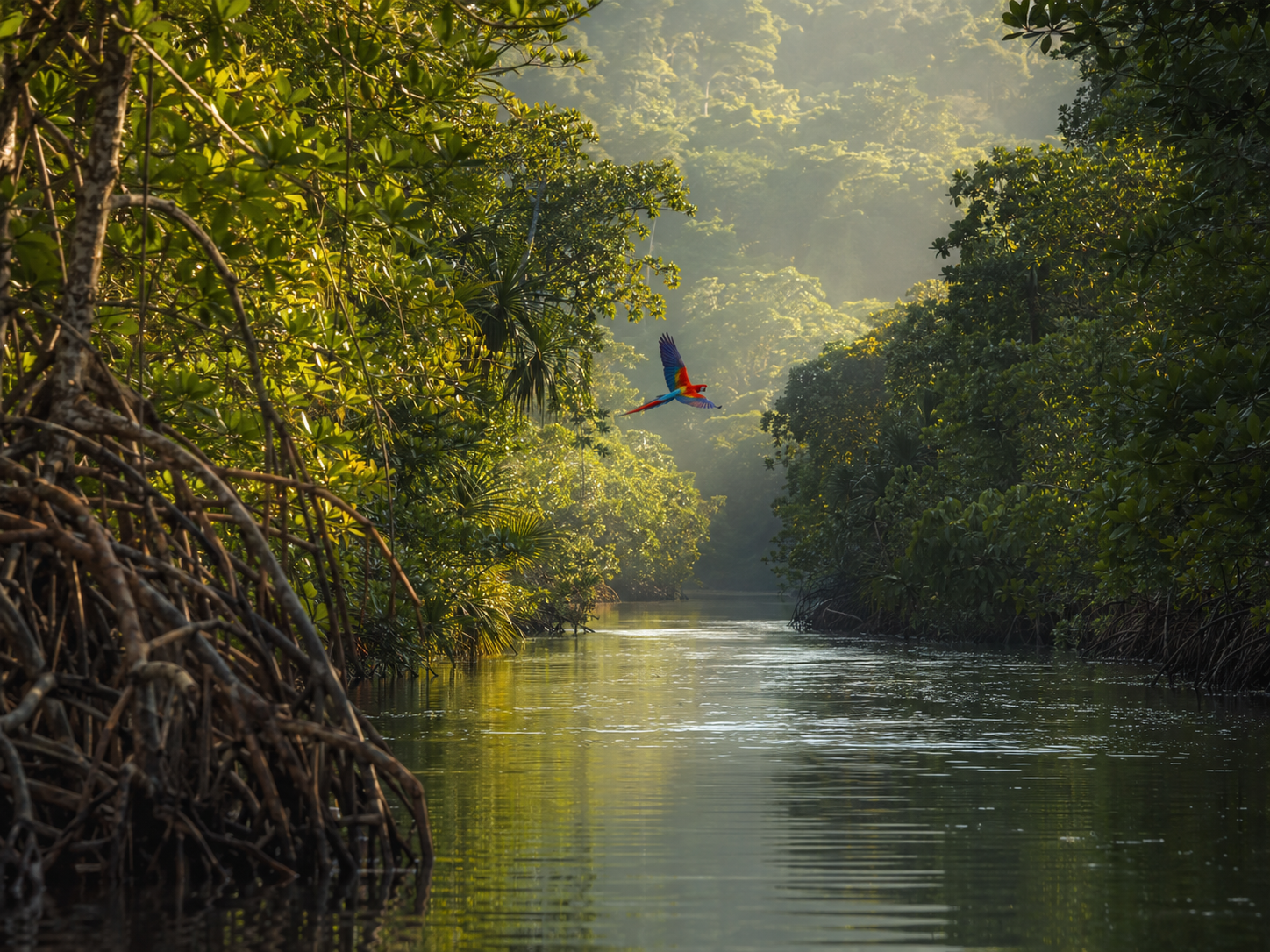
Mangrove · 2–3 hours
Glide between the mangrove roots while your guide searches for crocodiles, monkeys, herons and kingfishers.
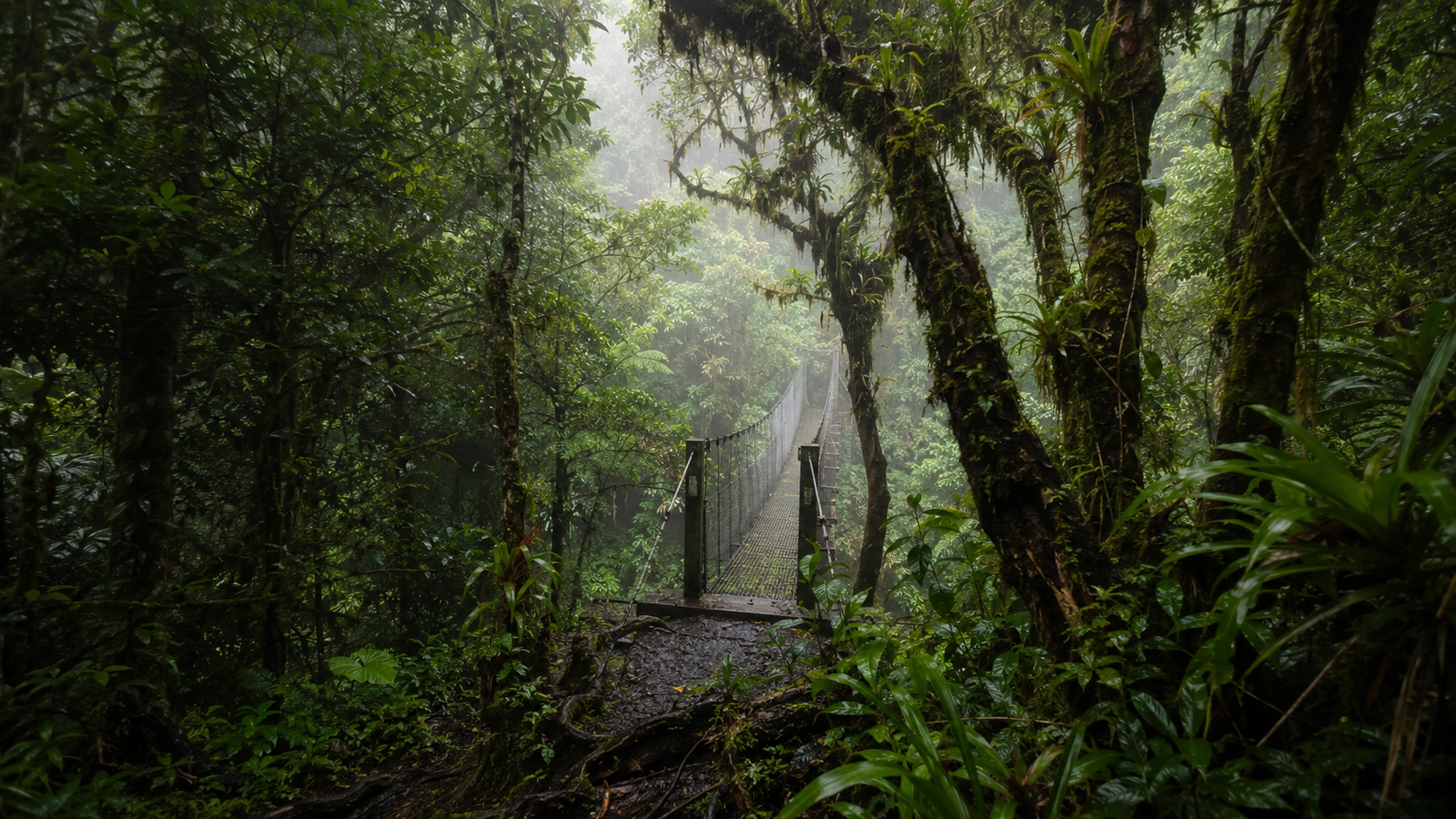
Birdlife · Half day
Meet the highland forest at sunrise, when toucans, motmots, tanagers and hummingbirds become most active.
Your Costa Rica journey
Tell us who is traveling and what you hope to discover. A local expert will help shape the right experience.
Your questions about Manuel Antonio, thoughtfully organised. Find what matters to your visit, then explore the details at your own pace.
Choose the experience that fits your visit.
No, a guide is not mandatory — you can legally walk the park on your own — but most visitors who came for the wildlife see far more with one. The animals here are wild and camouflaged. A two-toed sloth asleep thirty metres up looks like a grey lump; a squirrel monkey troop crosses the trail in a few seconds; a vine snake is invisible until someone points at it. A certified naturalist knows where the animals have been sleeping this week and carries a spotting scope that turns that grey lump into a face you can photograph.
One traveler put it plainly in a Tripadvisor review: they did not need a guide to spot a sloth, but they would have missed a tremendous amount without him. That is the honest version. If your goal is a beach day, go alone. If your goal is to actually see sloths, monkeys and birds — and understand what you are looking at — book a guide. On every Wakoo tour, the guide also puts the scope on your phone so you leave with your own close-up photos, and we send free 4K photos and video after the tour.
The group tour starts at $30 per person. See the four ways to do the Manuel Antonio guided tour at the top of this page.
Choose a group tour if you enjoy sharing the walk, or a private tour for a dedicated guide and a pace coordinated with your party. Wakoo offers Classic Group ($30), Premium ($65), Classic Private ($69) and VIP Private ($100). Premium and VIP Private include park admission; both Classic options require a separate ticket. Compare the four tour options and their inclusions before choosing.
Your guide is an ICT-licensed naturalist from Costa Rica Wakoo Tours, the company founded and led by Jason Solano Zamora. Jason is an ICT-licensed naturalist guide and the founder and lead guide of Wakoo Tours. He was born and raised on this coast and has guided Manuel Antonio National Park for 18 years, in English and Spanish.
That history is the part guests write about: he knows which tree a sloth has been sleeping in this week and at what hour the squirrel monkeys cross the main trail. Guests on Tripadvisor and Viator mention him by name. Read his full profile, certifications and review counts on the page Jason Solano Zamora, ICT-licensed naturalist guide.
Choose your date, group size and one of the four tour options above. Classic Group and Classic Private require a separately purchased SINAC ticket. Premium and VIP Private include admission, subject to park availability.
The park normally closes on Tuesdays. Match the ticket time with your guide’s confirmed departure. For the full instructions, use our booking guide and park ticket guide.
Visiting over Christmas or New Year? Check the December and January planning guide. A guide reservation alone cannot create admission on a sold-out park date.
The guided part lasts about 2 hours inside the park, and around 2.5 hours door to door when transport from your hotel is included. Most of that time is spent walking slowly and stopping, not hiking: the guide stops wherever there is something in the trees, sets up the scope and lets everyone look and take photos before moving on.
The main trail is flat and easy-access, so you do not need to be fit to enjoy it. What tires people out is the heat and humidity, not the distance — which is one more reason we start early, right after the park opens at 7:00 a.m. When the tour ends you are free to stay inside the park and spend the rest of the day on the beaches, and many guests do exactly that.
Wear comfortable walking shoes. You will be standing and walking on dirt and roots for two hours, and closed shoes are what we recommend. How early to arrive: on the Classic tour, be at the meeting point a few minutes before the time we send you; on Premium and VIP Private we pick you up at your hotel, so there is nothing to plan. Dates in December or January? Check how to book your December Manuel Antonio tour first.
Tickets, weather, transport and peace of mind.
Park admission and guiding are separate services. Classic Group ($30) and Classic Private ($69) require a separately purchased SINAC ticket. Premium ($65) and VIP Private ($100) include admission, subject to park availability. Match your entrance time with your guide before booking. Check the official SINAC portal for the current sales window and ticket categories; an empty calendar alone does not establish availability. See our step-by-step park ticket guide and total tour cost comparison.
The regular schedule is Wednesday through Monday, 7 a.m. to 4:00 p.m.; the park closes on Tuesdays. Check official notices before your visit because exceptional closures can occur. Our regular park schedule and official links help you plan; they are not a live closure feed. For a Tuesday nature outing, consider a Damas mangrove boat tour.
Tours run in normal rain, and if the park closes for weather we reschedule your tour at no cost. Manuel Antonio is a rainforest; a shower does not stop the animals, and many guests say the forest is at its most alive right after it rains.
The pattern matters more than the forecast. In the green season (May to November) the typical day brings a short afternoon downpour while mornings are usually dry — which is exactly why our tours start early. October is the wettest month, yet trails are quieter and the forest is lush. December to April is the dry season and the busiest. Thunder and lightning are different from rain: if conditions are unsafe, the guide does not take the group in. Guest cancellations are covered in our cancellation policy.
Bring a light rain jacket or poncho and a dry bag for your phone. Skip the umbrella — it gets in the way on the trail and in front of the scope.
Park only in a legal lot near the entrance, which charges roughly $4 to $10 for the day with a real attendant — and ignore anyone in a reflective vest waving you into a spot on the road in. The fake parking attendant is the most repeated complaint about Manuel Antonio on Tripadvisor. One traveler described it exactly: a man in a shiny vest flagged them into a spot, and when they came back an hour and a half later he was long gone. Those people are not affiliated with the park and are not responsible for your car.
Two more rules: leave nothing visible in the car, and do not stop where someone flags you down into a restaurant lot to “buy tickets” — tickets are not sold there. The simplest way to avoid the whole problem is not to drive: Premium and VIP Private include round-trip transport from your Manuel Antonio or Quepos hotel, and on the Classic tour we meet you at a fixed point with exact instructions.
A real guide does not chase you on the road or at the gate: if someone stops you and quotes a price for “entrance and guide”, walk away. A scam travelers report again and again is being pulled over near the entrance and told they must pay $150 for entrance and a guide — several times the real cost. The real entrance fee is fixed by SINAC and paid online, not in cash at the side of the road.
Travelers also ask what a guide should cost at the entrance and how to hire a good one. Here is the checklist we would give a friend:
When you book with Wakoo, you know the price before you arrive, you get a named guide and an exact meeting point, and nobody can pose as your guide.
You can bring water, but outside food and snacks are not allowed inside Manuel Antonio National Park. The rule protects the wildlife: animals that learn to eat human food start raiding bags, get sick and lose their fear of people. The simplest move is to leave the snacks at the hotel.
What we tell every guest to pack:
Have a good breakfast before an early tour. There is a refreshment area inside the park, and on Premium and VIP Private we bring a fresh fruit snack that is permitted. See what each option includes in the group or private comparison above, or go straight to the December booking page.
No — do not leave valuables unattended on the sand or visible in the car; opportunistic theft does happen, and simple precautions handle it. Manuel Antonio is one of the most visited and tourist-friendly areas of Costa Rica. The problems travelers report are specific, not general: fake parking attendants on the road in, and bags that disappear while their owners are in the water.
The rules we give our guests: leave at the hotel whatever you do not need that day; take turns swimming so someone stays with the bags; keep nothing visible in a parked car; and park only in a legal lot with a real attendant (see the parking scam answer above). On a guided tour someone is always with the group, and on Premium and VIP Private you do not drive at all — we pick you up at your Manuel Antonio or Quepos hotel and bring you back.
Plan your arrival in Manuel Antonio before committing to an early park entry. Road conditions and traffic affect travel time, and your tour meeting point may differ from the park entrance. Our transport guide from San José and Quepos covers the journey and arrival planning.
Find the right pace and route for your party.
Yes — the main trail is flat and easy-access, it is a favorite for families, and we adapt the route and pace when someone in the group has mobility needs. Children aged 2 to 12 pay the reduced park fee (about $5.65) and children under 2 enter free.
What makes the difference with kids is the scope. A small child will not find a sloth thirty metres up in the canopy, but they will see its face in the eyepiece — and that is usually the moment of the trip. Short stops, lots of looking, no long climbs.
If you travel with a stroller, a wheelchair, or grandparents who walk slowly, tell us before you book so we can plan which part of the park to cover and at what pace. For families, VIP Private is usually the best fit: only your group, your own start time, private transport and a guide who stops whenever the children need to. See the options on the December booking page.
Choose your route around your entry time, mobility and whether you want beach time after the guided walk. Ask your guide about current trail access before continuing independently. Use our Manuel Antonio trail guide to compare routes rather than trying to fit every trail into one visit.
Parts of it are: the Sloth Trail is a raised boardwalk and manuelantonionationalpark.org describes sections of it as wheelchair- and stroller-friendly, which makes Manuel Antonio one of the more accessible national parks in Costa Rica. It is not accessible end to end, and the park does not publish a certified accessible-route map, so if a wheelchair or a stroller is coming with you we plan the walk around the boardwalk and the flat section of the Main Trail and skip the climbs entirely.
The trail is also where sloths are most likely to be found. The secondary-growth trees along it are used by both the brown-throated three-toed sloth and the Hoffmann’s two-toed sloth. Likely is the right word: no guide can promise a sloth, and any guide who does is selling you something they do not control.
Travelling with someone who cannot manage stairs? Tell us on WhatsApp and we will plan the route around it.
It is the steepest walk in the park — steps and gradual inclines, 45 to 60 minutes for the full loop — and it is the only route that pays you in ocean views instead of wildlife. SINAC’s own description says you will find five lookouts along it, and explains why the shape is so strange: Punta Catedral was once an island, and the sand bridge that now joins it to the mainland is a tombolo built by the sea.
Worth it if your knees are fine and you are not carrying a toddler. Skip it if you have under three hours, because the same hour spent slowly on the Sloth Trail is where the animals are. There is shade on the climb itself and none at all on the five lookouts, so the hat comes out of the bag before you start up.
To see how the loop sits against the rest of the park before you decide, look at the Manuel Antonio National Park map.
Book the guided tour and tell us which version of the walk you want.
You get the high, open view over the coastline and the offshore rocks, roughly 25 to 35 minutes up and back on a trail My Tan Feet measures at about 1.3 km. It is the one spot in the park where the photograph is the point, not the animal.
It is also the best chance in the park at a brown pelican or a frigatebird passing at eye level, and between July and October the same open water is where humpback whales travel. From the lookout that is luck, not a sighting you can plan.
Ask us on WhatsApp whether the lookout fits the time you have.
Yes — it is the calm one. Playa Manuel Antonio is a protected white-sand crescent and the water is the gentlest of any beach inside the park, which is why it is where almost every tour ends. It is also where white-faced capuchin monkeys work the treeline for unattended bags, so nothing edible stays on the sand and nothing unzipped stays on the sand either.
The park closes at 4:00 p.m., so the swim goes at the end of the walk, not the start. Morning tours reach the beach with time; a late entry does not. There is real shade here too — the treeline comes right down to the back of the sand, which is why families end up under it and why the capuchins are in it.
On a 3-hour guided tour this beach is the last stop, roughly the final 40 minutes. The full page on it is here: Playa Manuel Antonio.
Book a morning guided tour so the beach is not the part you run out of time for.
Espadilla Sur is the long, wild, much quieter beach on the other side of the tombolo, and the surf there is stronger than at Playa Manuel Antonio — wade with care rather than swim out. There are no lifeguards posted inside the park, which is the single reason we point families to Playa Manuel Antonio instead.
Do not confuse it with Playa Espadilla, the public beach outside the park gate. Espadilla Sur is inside, reached from the Main Trail; Espadilla is outside and free. Shade is the other difference: Espadilla Sur is a long open arc with very little of it, so on the guided walk it is a 10-minute stop on the way past rather than the place we sit down.
The tides, the shade and the swimming conditions in detail: Playa Espadilla Sur.
Not sure which Espadilla your hotel is next to? Send us a message.
No on both counts, and for the same reason: rocks and currents. Playa Gemelas is a twin-coved rocky beach reached by a short spur, beautiful and usually empty, and swimming there is not recommended. Puerto Escondido is a lookout over a hidden cove, not a beach you get into.
Both are worth the detour if you have the time and the tide is out. Both are the first things we drop from the route if you only have a couple of hours, and both sit past Punta Catedral, so access has to be confirmed at the control point on the day. Shade is good on the approach and thin on the coves themselves.
Written up in full, including whether the spur is open: Playa Gemelas and Playa Escondida.
Book the tour and we will tell you honestly whether the detour fits your day.
In the green season, not the dry one: manuelantonionationalpark.org notes the waterfall flows roughly May through November, which means a December or January visitor is walking 600 metres to look at rock. We say so before you book rather than after you have walked it.
What the spur is still good for in the dry months is the forest either side of it, which is quieter than the Main Trail because most visitors skip a waterfall that is not running.
Booking for December or January? Here is what the route looks like in the dry season.
With two hours, walk the Sloth Trail and nothing else. Here is how we route it, and it is the same advice whether you book with us or walk in on your own:
| Time you have | What to walk | What to give up |
|---|---|---|
| 2 hours | Main Trail plus Sendero El Perezoso, slowly, then straight to Playa Manuel Antonio | Punta Catedral, both lookouts |
| 3 hours | The above plus Mirador Punta Serrucho | Punta Catedral, Playa Gemelas |
| 4 hours | Everything above plus the Punta Catedral loop | Nothing, if you enter at 7:00 a.m. |
The reason time matters more than distance here: the park is small and the gate shuts at 4:00 p.m., so the constraint is never the kilometres, it is how slowly you can afford to walk. Animals are found by standing still, and standing still is the first thing a tight schedule takes away. Our guides carry a spotting scope for exactly that reason — what you see depends on how long you can stop, not how far you get.
Entry is 7:00 a.m. to 4:00 p.m., Wednesday to Monday, closed Tuesdays, and the SINAC ticket is $18.08 for a non-resident adult and $5.65 for a child aged 2 to 12 as published by SINAC on 25 September 2026. Check December and January availability and book, or ask us on WhatsApp which route fits your hours.
Understand what you may see, and how to see it.
The animals you are most likely to see are sloths, white-faced capuchin monkeys, howler monkeys, squirrel monkeys, iguanas, coatis and raccoons, and the best time to see them is early morning, right after the park opens at 7:00 a.m. We never promise a specific animal — this is wild nature — but early starts and a trained eye change the odds a lot.
How the day usually goes:
Sloths sleep most of the day, which is why they are so hard to find alone and why the scope matters. Manuel Antonio is also one of the few places in Costa Rica where you have a chance to see the endangered squirrel monkey For a species-by-species breakdown — your real chance of seeing each one, on which trail and at what hour — read our guide to the animals of Manuel Antonio National Park.. Snakes live here, but they are rarely seen; the guide spots them before you do and keeps the group on the safe side of the trail. To see the animals that only come out after dark, book the Manuel Antonio wildlife night tour.
Toucans and scarlet macaws can be seen around Manuel Antonio, but for more reliable bird sightings travelers add a dedicated birdwatching tour. Many visitors ask whether Manuel Antonio is the right place for birds or whether they need to go somewhere else. The honest answer is: both. These are the tours we run from the same coast:
They can: white-faced capuchin monkeys and raccoons are bold, go for anything that smells like food, and are most active around the beaches at midday. A bag left open on the sand while everyone swims is the classic way it happens. The animals are fast, they work in groups, and a capuchin can open a zipper.
How to avoid it:
During the tour your guide keeps the group clear of them and shows you where they gather. The same behaviour is part of what you see on the tour — watching a capuchin troop work the trees from a safe distance is one of the moments guests remember. Read more about the animals in the wildlife and time-of-day answer above.
Sloths are among the animals you are most likely to see on a guided tour, but no honest guide can promise one — they are wild, they sleep most of the day and they are almost perfectly camouflaged. The travelers who leave disappointed are, most of the time, the ones who walked the park alone and never looked up in the right place.
Why they are hard to find:
That is exactly the job of a naturalist guide: knowing which trees the sloths have been using this week, and carrying a spotting scope that turns the grey shape into a face you can photograph with your own phone. Early morning, a trained eye and a scope change the odds a lot. For the animals that only come out after dark, add the Manuel Antonio wildlife night tour.
Squirrel monkeys can be encountered in the Central Pacific region, including Manuel Antonio, but sightings vary from day to day. Watch quietly and give moving troops space. Read our squirrel monkey guide for identification and observation tips.
Capuchins are the monkey you are most likely to see in Manuel Antonio, and the one you should be most careful around. Cebus imitator works the main trail and the treeline behind Playa Manuel Antonio all day long, and generations of them have learned that human bags contain food. That is a learned behaviour created by visitors who fed them, not natural curiosity.
Practically, that means an unzipped daypack left on the sand is an open invitation, and a snack taken out in the open draws a troop within minutes. Feeding them is prohibited inside the park and it is also how monkeys end up bitten, sick or aggressive. Our rule on tour is simple: nothing edible comes out between the gate and the beach, and bags stay closed and on your body.
The upside is that capuchins are the easiest primate to watch properly. They forage at eye level and below, they use their hands, and they stay in one place long enough to see how they crack open what they find.
Bringing a beach bag and worried about it? Ask us on WhatsApp what to leave at the hotel.
Because the mantled howler’s call carries for over a kilometre through the forest — it is one of the loudest sounds any land mammal makes. Alouatta palliata calls hardest at dawn and again before dusk, and at 7:00 a.m. inside the park you will very likely hear a troop long before anyone spots one. Visitors regularly mistake it for a big cat.
Seeing them is a different problem. Howlers are leaf-eaters, and leaves are poor fuel, so they spend most of the middle of the day motionless in the high canopy digesting — often a dark shape wedged in a fork forty metres up. This is the species where a spotting scope stops being a luxury: with the naked eye it is a lump, and through the scope it is a face, a tail wrapped twice around a branch, and sometimes an infant on the back.
See tour times and book the early entry, when the howlers are calling.
Both live in the park, and your odds are much better with the three-toed one, because the two-toed sloth is nocturnal. The brown-throated three-toed sloth (Bradypus variegatus) is active in short bursts through the day and is the one usually found along Sendero El Perezoso, the boardwalk named after it. Hoffmann’s two-toed sloth (Choloepus hoffmanni) feeds at night and spends daylight hours curled into a ball in a fork or a tangle of vines, which from below looks exactly like a termite nest.
| Three-toed (Bradypus) | Two-toed (Choloepus) | |
|---|---|---|
| Active when | Short bursts during the day | Night |
| Face | Dark mask, looks like a permanent smile | Pig-like snout, no mask |
| Where to look | Cecropia and secondary growth along the Sloth Trail | Dense tangles and vine masses, higher up |
| Chance on a day tour | The better of the two | Possible, usually asleep |
The reason sloths are hard to find has nothing to do with rarity. A three-toed sloth descends to the ground to defecate only about once a week and otherwise barely moves, so it does not give you the motion cue your eye uses to find everything else. They are located by pattern, not movement — which is exactly what a guide who walks the same trees every day is for.
We will not promise you a sloth. Any guide who guarantees one is selling something they do not control.
They are bold rather than dangerous, and they are the most common reason a visitor loses their lunch. The northern raccoon (Procyon lotor) and the white-nosed coati (Nasua narica) both patrol the picnic area and the sand behind Playa Manuel Antonio, and both have learned that beach bags and towels hide food. A coati will walk right up to a group in broad daylight.
Do not feed them and do not try to move one out of the way by hand: these are wild carnivores with a real bite, and rabies risk is the reason park staff take contact seriously. Keep food closed, keep it on you, and they lose interest.
They are also a genuinely good sighting. Coatis move in loose family groups with their tails held straight up, nose-down in the leaf litter, and they are one of the few park mammals you get to watch at ground level for minutes at a time.
Look up into the branches over water for iguanas, and look down at the stream edges for basilisks. The green iguana (Iguana iguana) is cold-blooded, so it climbs into open sunlit branches to warm up through the middle of the morning — often hanging over a watercourse, because dropping into water is its escape route. A big male on a bare branch at 10:00 a.m. is one of the easiest large animals to find in the park.
The common basilisk (Basiliscus basiliscus) is the one people come to see run. It is known as the Jesus Christ lizard because a startled juvenile can sprint several metres across the surface of the water on its hind legs before it sinks. You find them on the banks of the small streams and in the wet margins of the forest floor, usually frozen in place until you get too close.
Both are year-round residents and neither is dangerous. Neither is guaranteed either, but of everything on this page these two are among the most reliably found on a slow morning walk.
Yes, and two different kinds live here — but you will usually hear them first and they will usually be high up. The yellow-throated toucan (Ramphastos ambiguus swainsonii) is the big one, and its call is a repeated yelping whistle that carries across a valley. The collared aracari (Pteroglossus torquatus) is the small toucan, travels in groups of half a dozen, and is quieter.
Both follow fruit. That means the reliable way to find them is not to walk further but to find a fruiting tree and wait, which is the single biggest difference between a guided walk and a fast one. In the dry months from December to April many trees carry less foliage, and a toucan in a half-bare crown is far easier to see than the same bird in August.
This is also the clearest case for the scope. A toucan thirty metres up is a black silhouette to the naked eye; at 30x magnification you can see the ridge on the bill and the exact line where the yellow throat ends.
Book a tour with a naturalist guide who knows which trees are fruiting.
Scarlet macaws are seen along this coast, most often at the start and the end of the day, and they are far more likely over the beach almond trees than deep inside the forest. Ara macao is a Central Pacific success story: the Costa Rican population of this coast has recovered from near-collapse, and Quepos and Manuel Antonio are now part of its range again. They feed on the seeds of beach almond (Terminalia catappa), the broad-leaved tree that lines the shoreline.
They travel in pairs or small groups, they fly high and straight, and like the toucans you hear them before you see them — a harsh, carrying squawk. A pair crossing over the beach at 7:30 a.m. is the classic Manuel Antonio macaw sighting.
Be honest with yourself about the odds: this is the least predictable animal on the page. Some weeks they are over the park daily, some weeks they are not. Nothing you pay for changes that.
Yes there are snakes, and the sensible answer is that they are a reason to stay on the trail rather than a reason to stay home. The one guides look for is the eyelash viper (Bothriechis schlegelii) — small, venomous, and often coiled motionless on a palm frond or in a heliconia at about chest height, sometimes a startling yellow. Boa constrictors (Boa imperator) also live in the park and are not venomous. Most snake days on a tour are cat-eyed snakes and other harmless species, or no snake at all.
The rule that keeps everyone safe is that nobody reaches into vegetation and nobody steps off the path. Snakes here are ambush predators with no interest in you; almost every bite in Costa Rica involves someone handling or standing on the animal. Our guides point, and nobody touches.
Snakes are also more active and more visible in the green season from May to November, when the frogs they eat are breeding. If you are here in December and January and want to see one, you will need luck.
Book a guided tour — a trained eye is also how you avoid what you should not touch.
Those are halloween crabs, and they live on land, not on the beach. Gecarcinus quadratus is black-shelled with orange legs and purple claws, it digs burrows in the forest floor along the main trail, and it is one of the first animals visitors notice because dozens will scuttle sideways into their holes as a group walks past. They only return to the sea to release their larvae.
On the sand you get a different set: hermit crabs dragging borrowed shells, and ghost crabs that vanish into wet sand the second you look at them. After rain, both the forest crabs and the beach crabs are out in far greater numbers — a wet afternoon in the green season is the best crab walk of the year.
It changes a shape into an animal. Almost everything on this page is between fifteen and forty metres above your head, and at that distance the naked eye gives you a silhouette: a dark lump in a fork, a bird-sized black shape against the sky. Our guides carry a Swarovski ATX spotting scope, and through it a howler forty metres up becomes a face with an infant on its back, and a toucan becomes the ridge and the colour break on its bill.
It also changes what you take home. The guide lines the scope up on the animal and takes the photo and the video for you through the eyepiece with a phone, and you get them at the end of the tour at no extra cost — by AirDrop if you are on an iPhone, or as a Google Drive link you can download later on Android. You do not need to own a long lens, and you do not need to spend the walk behind a camera.
The honest limit: optics do not create animals. A scope makes a found animal worth looking at and makes a distant one identifiable. Finding it in the first place is the guide, and the guide’s best tool is time — which is why we walk slowly and start early rather than covering more ground.
The Swarovski scope and the 4K photos are included in every tour, group or private. See dates and book, or ask us anything on WhatsApp.
Make the most of your time in the forest.
Wildlife is good year-round; December to April is the dry and busiest season, and October is the wettest month but still worth it for quieter trails. There is no bad month for the animals — they live here all year. What changes is the weather, the crowds and how early the tickets sell out.
Whatever the month, remember the park is closed every Tuesday. If you are coming for the holidays, the December 2026 – January 2027 booking guide lists the closed Tuesdays and how early to reserve.
The first two hours after the gate opens at 7:00 a.m., without exception. The park is open Wednesday to Monday from 7:00 a.m. to 4:00 p.m. and closed on Tuesdays, and the animals do not distribute themselves evenly across that window — mammals and birds feed early, rest through the heat, and become active again after the park has already closed. Here is what each species is doing by hour.
| Species | Best window | Where to look |
|---|---|---|
| Squirrel monkey | 7:00–9:00 a.m. | Mid-canopy, moving fast in troops |
| Howler monkey | Heard 6:00–8:00 a.m.; seen resting midday | High canopy forks |
| White-faced capuchin | All day | Trail edges and the treeline behind the beach |
| Three-toed sloth | Any time — it barely moves | Cecropia along Sendero El Perezoso |
| Two-toed sloth | Asleep all day; active at night | Vine tangles, high |
| Scarlet macaw | 7:00–8:30 a.m. and late afternoon | Flying over beach almond trees |
| Toucan and aracari | Early morning | Fruiting trees, upper canopy |
| Green iguana | 9:30 a.m.–noon | Open sunlit branches over water |
| Basilisk | Mid-morning | Stream banks and wet forest floor |
| Coati and raccoon | Late morning onward | Picnic area and beach behind Playa Manuel Antonio |
| Halloween crab | All day; far more after rain | Forest floor beside the main trail |
| Eyelash viper | Any time, found by a guide | Palm fronds and heliconias at chest height |
Park hours and ticket prices checked against SINAC’s official park page on 25 September 2026: $18.08 for a non-resident adult and $5.65 for a child aged 2 to 12, entry 7:00 a.m. to 4:00 p.m., closed Tuesdays.
Book the 7:00 a.m. entry — it is the single decision that changes what you see.
Every species on this page lives in the park year round, so the month does not change whether they are there — it changes how easy they are to see. That distinction matters, because a lot of travel advice implies the animals leave in the wet months. They do not.
| Dry season (December–April) | Green season (May–November) | |
|---|---|---|
| Canopy visibility | Better — less foliage, easier to pick out monkeys, sloths and toucans | Denser; you rely more on sound and on your guide |
| Reptiles and amphibians | Quieter | Much more active, including snakes |
| Crabs | Present | Out in far greater numbers after rain |
| Rain during the tour | Rare in the morning | Usually afternoon, so a morning tour still works |
| Crowds | Peak, especially late December and January | Fewer people on the trail |
If your dates are fixed, none of this should worry you. If your dates are open and wildlife photography is the whole point of the trip, the dry-season canopy is the easier one to shoot — and if you want the forest to yourself, come in the green season and start at 7:00 a.m.
Traveling between December 20 and January 4? The park closes on Tuesday December 22 and Tuesday December 29 — the day-by-day calendar, the SINAC ticket date for each day and the four prices are on our Manuel Antonio National Park Christmas and New Year tour 2026-2027 page.
Travelling in December 2026 or January 2027? We have a page for each month with its own closed-Tuesday calendar, weather figures and ticket window: Manuel Antonio National Park in December and Manuel Antonio National Park in January.
Travelling with children? Read Manuel Antonio National Park with kids: the complete family guide — which trails a child can walk, the price per child on all four options, and the nine Tuesdays the park is closed.
Sloths are the animal most visitors come for: our dedicated Manuel Antonio sloth tour page covers both species, the hour with the best odds and the four prices.
Want it to be only your party? See the full Manuel Antonio private tour with both private prices, hour by hour.
One species, one page: squirrel monkey in Manuel Antonio · white-faced capuchin monkey in Manuel Antonio · howler monkey in Manuel Antonio.
Tell us your dates and who is travelling.
Let’s find the right experience for you.